Why Prepping Your Sump Pump Matters
Heavy rainstorms are a leading cause of basement flooding—and your sump pump is the last line of defense. But even the most powerful pump can fail if it hasn’t been tested or maintained.
If you live in a flood-prone neighborhood, or if your home has ever had water in the basement, it’s important to get ahead of the next downpour. This guide shows you how to inspect, clean, and prep your sump pump before heavy rain hits.
What Makes Rainfall Risky for Basements
Even a few hours of steady rain can overwhelm your foundation drainage system—especially in areas with:
- Poor yard grading
- Saturated or clay-heavy soil
- Aging storm drains
- High water tables
- Dense residential development
A properly working sump pump can prevent thousands in water damage. But only if it’s ready when you need it.
Sump Pump Pre-Storm Checklist
Use this step-by-step guide to inspect and prep your sump pump before the next weather alert.
1. Test the Pump with Water
Pour a few gallons into the sump pit. The pump should activate and empty the water.
If it doesn’t:
- Check that it’s plugged in
- Inspect the float switch
- Listen for unusual sounds
2. Clear Out Debris
Remove leaves, gravel, or other blockages from the sump pit. Debris can jam the float switch or damage the impeller.
Steps:
- Unplug the unit
- Scoop debris from the basin
- Wipe down exposed parts if accessible
3. Inspect the Discharge Line
Make sure water is being pushed away from the house and not pooling near the foundation.
Check for:
- Loose fittings
- Clogs or ice (in colder months)
- Discharge that’s too close to the home
4. Check the Check Valve
This valve prevents water from returning to the sump pit after it’s pumped out.
Signs of problems:
- Water returning after pumping
- Gurgling sounds in the pipe
- Valve older than 3–5 years
5. Confirm Power and Backup Systems
Heavy storms often cause power outages—make sure your sump pump doesn’t go offline with them.
Tips:
- Plug into a grounded GFCI outlet
- Test your battery backup if installed
- Replace backup batteries every 3–5 years
6. Listen for Unusual Sounds
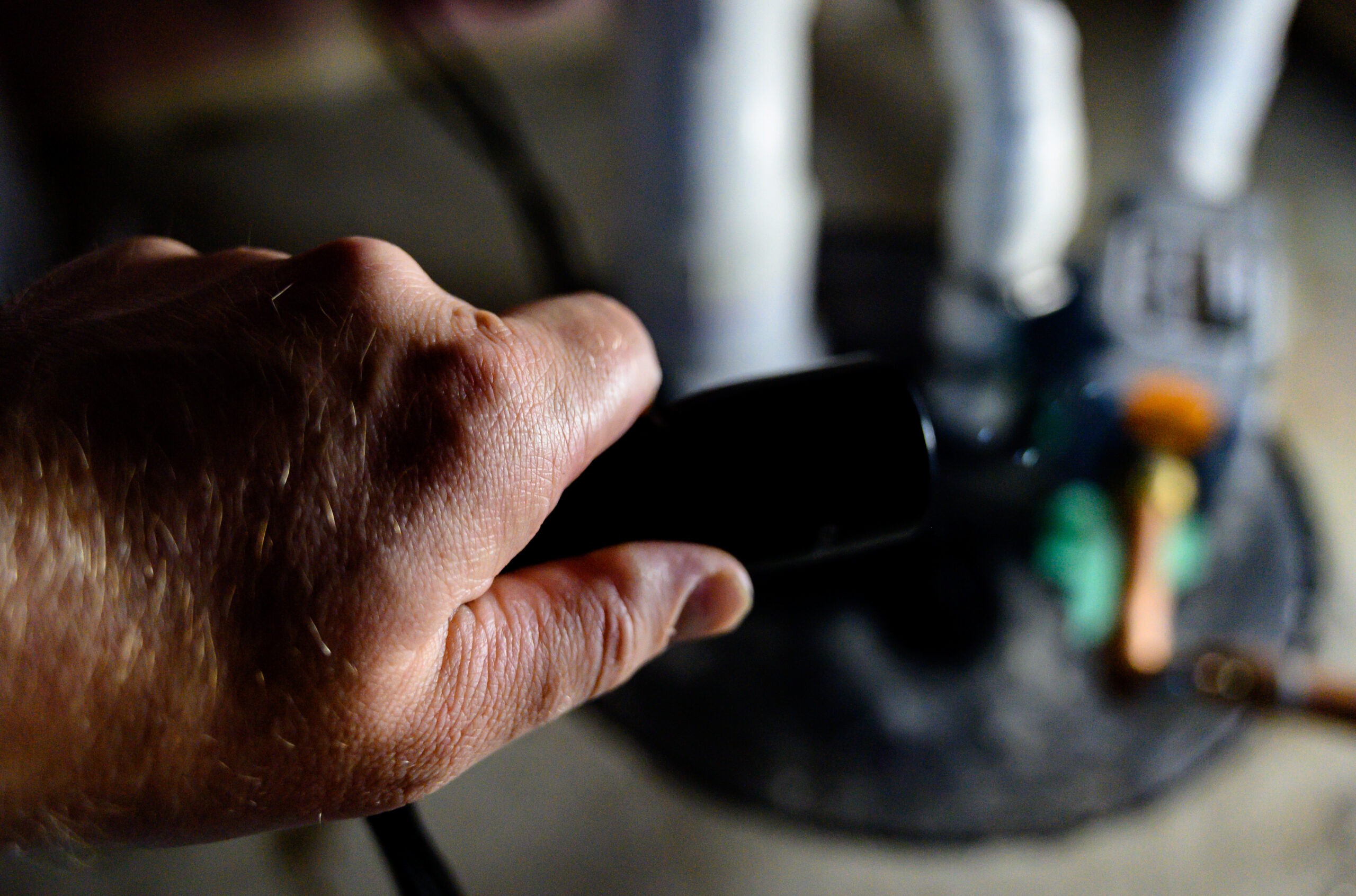
Start the pump manually and listen. Common red flags:
- Loud grinding or buzzing
- Nonstop cycling
- Humming but no water movement
Any of these could signal motor issues or a blockage.
Optional: Improve Drainage Around the Home
While your sump pump does the heavy lifting inside, your home also benefits from exterior water management:
- Clean gutters and downspouts
- Extend downspouts away from the house
- Slope soil to drain water away from the foundation
- Consider French drains in high-risk yards
These steps reduce the water load your sump pump has to handle.
When to Call a Professional
If you notice any of these signs, it’s a good idea to schedule an inspection:
- Sump pump hasn’t been tested in over 6 months
- Water lingers in the pit after storms
- You’re not sure how old the unit is
- The backup system hasn’t been checked
- There’s rust or corrosion on parts of the pump
A professional inspection ensures everything is functioning—and ready for rain.
Expert Sump Pump Support from AquaGuard
AquaGuard provides expert sump pump service, inspection, and emergency support. Our licensed technicians serve homeowners across the region, offering:
- Full system inspections and diagnostics
- Battery backup installations
- Discharge line repairs and extensions
- 24/7 emergency sump pump service
We help homeowners prevent costly basement flooding by keeping their pumps storm-ready.
Stay Ahead of the Storm
Prepping your sump pump only takes a few minutes—but can save you thousands in repairs. Whether you do it yourself or call in a pro, the best time to get ready is before the rain starts.
Need help prepping your sump pump before the next storm?
Schedule a sump pump inspection or service visit today. AquaGuard proudly serves homes throughout the region with fast, expert support.