Hot water is essential—from morning showers to laundry and dishes. But if your water heater fails, life grinds to a stop. Regular maintenance keeps your system running efficiently and helps prevent breakdowns. At AquaGuard Mainline Plumbing & Services, we guide homeowners across the D.C. area in caring for gas, electric, or tankless heaters—keeping hot water flowing year-round, backed by our 24/7 service and expert care.
Key Takeaways
- Flush sediment every 6–12 months to boost efficiency
- Inspect safety valves, anode rods, and insulation yearly
- Maintenance saves energy, extends lifespan, prevents leaks
- Warranties often require annual professional inspections
- Local water and weather impact how often you service
1. Why Flushing Matters
Over time, minerals settle in your water heater tank, forming sediment. This buildup makes your heater work harder, raising energy use and sending strange noises through your pipes. One annual flush can remove this buildup and restore efficiency. Regular flushing keeps energy costs down, prolongs your heater’s life, and ensures reliable hot water.
2. Inspecting the Anode Rod
Inside every tank-style heater is an anode rod—usually made of magnesium or aluminum—that protects the steel tank from corrosion. Over time, this sacrificial rod wears away. Checking it every year and replacing it every 3–5 years helps prevent leaks and tank failure.
3. Checking Temperature & Pressure Valves
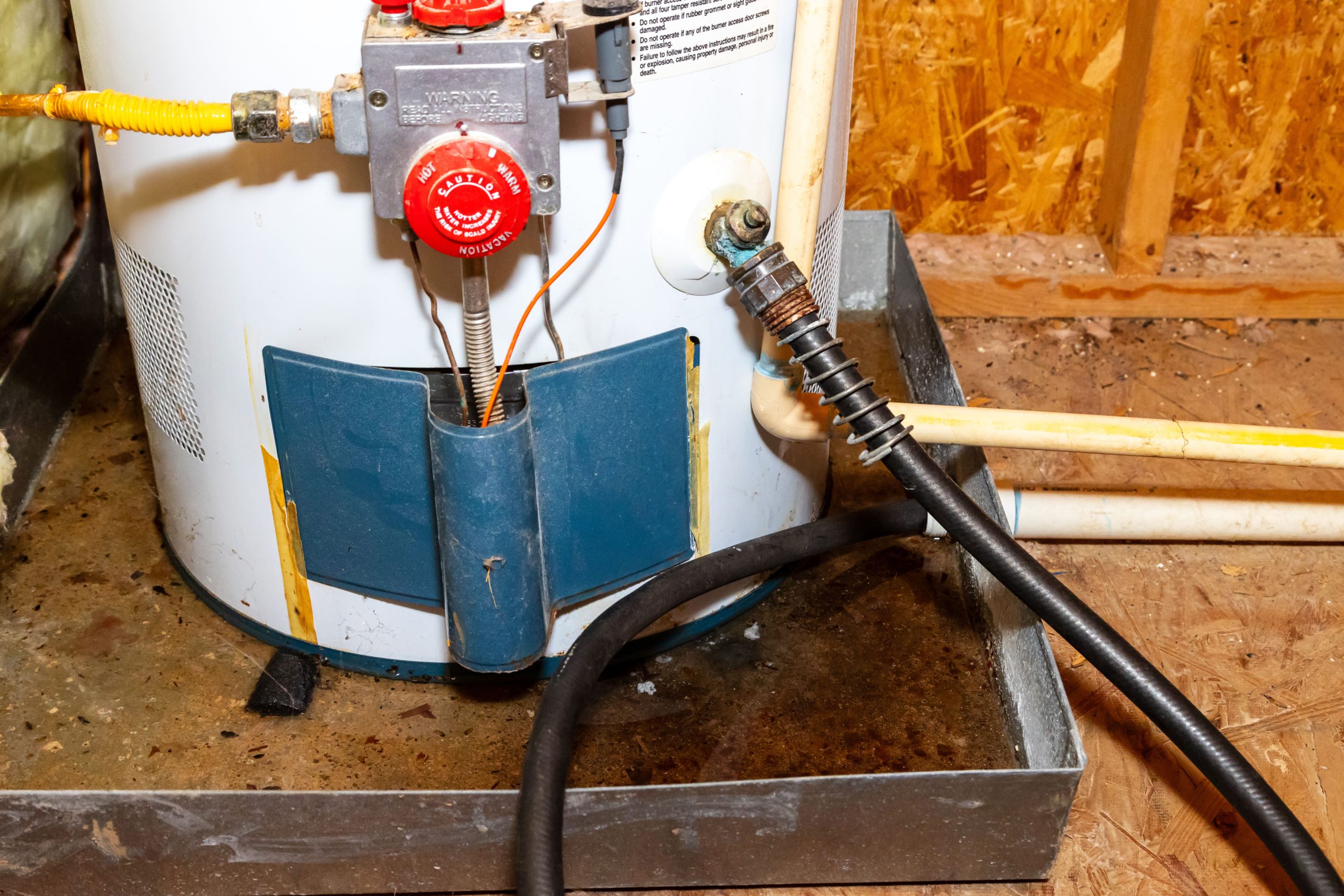
Safety valves prevent pressure buildup that can damage the tank or pose safety risks. Annual testing ensures they function properly. Flushing the valve periodically lets water flow and offers peace of mind that your heater stays safe .
4. Monitoring Temperature and Tank Condition
Set your heater to about 120°F—hot enough for home use without scalding or limescale forms. Inspect the tank annually for corrosion, leaks, or rust around fittings. Catching rust early can help avoid sudden failures.
5. Insulating and Reducing Heat Loss
Adding insulation blankets and pipe wraps can help retain heat and cut waste. Properly insulate tanks older than 10 years to reduce standby heat loss and save energy. Insulated systems stay efficient even in the colder months .
6. Extending Heater Lifespan
Most tank-style heaters last around 10–12 years, but with regular care, they can exceed 15 years. Sediment buildup accelerates wear and may trigger replacement prematurely. Maintenance helps delay that expense and prolong hot water reliability.
7. Early Warning Signs
Watch for:
- Rumbling sounds from the tank
- Lukewarm showers or inconsistent heat
- Rusty water or visible leaks
- Higher energy bills or insufficient hot water
These symptoms often signal maintenance is overdue or tank replacement is near.
8. Tankless & HVAC-Linked Units
Even tankless systems need care, including annual flushing in hard-water areas. Hybrid systems that combine water heating with HVAC also benefit from routine checks—inspections every four to five years are recommended.
Local Perspective
In Montgomery County, Capitol Heights, and Fairfax County, hard water and seasonal temperature shifts can strain water heaters. AquaGuard understands these local conditions and recommends biannual checks in hard-water zones. Our team handles full maintenance—from flushing and valve testing to tank care—making sure homeowners stay warm and worry-free.
AquaGuard’s 4‑Step Maintenance Process
- Schedule Inspection – We check system type, age, and usage
- Full Service – Flush tank, test valves, inspect components
- Report & Repair – We point out issues, like rod wear or leaks
- Test & Optimize – Restore settings, check insulation, ensure optimal performance
📞 Call (301) 605‑4899 or book online for your annual maintenance check today.
FAQs
Q: How often should I flush my tank-style heater?
A: Once a year at minimum. In hard-water areas, every six months is best.
Q: Can I flush it myself?
A: Yes—if you’re comfortable draining the tank. But professionals prevent accidental flooding and properly dispose of wastewater.
Q: How do I tell if the anode rod needs replacing?
A: If it’s less than half intact, it’s time to replace it—this keeps corrosion at bay .
Q: What if my heater is over 10 years old?
A: Maintenance is still important, but replacement may be the better long-term option—especially with new energy-efficient units available .
Q: Are there safety risks I should watch for?
A: Yes—like malfunctioning relief valves or high pressure. Catching these early through checks prevents dangerous situations .
Call AquaGuard Today
Regular water heater maintenance keeps your system efficient, safe, and reliable—and helps avoid unexpected breakdowns. Whether you have a tank, tankless, or hybrid system, annual care and testing go a long way.
📞 Call AquaGuard at (301) 605‑4899 or contact us online to schedule your service call. Stay warm and worry-free with professional care you can trust.