Choosing the right garbage disposal can transform your kitchen cleanup and improve plumbing performance. With several types and power options available, decision-making can feel overwhelming. At AquaGuard Mainline Plumbing & Services, we guide homeowners in the D.C. metro area to select the perfect fit—based on household needs, space, and noise preferences—with expert installation and 24/7 support.
Key Takeaways
- Understand horsepower (½ HP–1 HP) for your household size
- Choose batch‑feed vs continuous‑feed for safety and convenience
- Stainless steel components and sound insulation improve durability
- Consider chamber size and grinding stages for efficiency
- Proper installation and maintenance protect plumbing and performance
1. Know Your Household Needs
Horsepower (HP) determines how well your disposal handles food scraps. For smaller households or light use, a ½ HP model is often sufficient. Medium-sized families benefit from ¾ HP, and larger households or heavy cooking often require 1 HP or more to handle tough scraps with ease.
One Home Improvement subreddit user shared they chose a ¾ HP unit for quiet, reliable use, while others noted larger units like 1 HP Waste King models easily handled heavier loads . In our experience, matching horsepower to usage prevents jams and protects your drain lines.
2. Continuous‑Feed vs Batch‑Feed
There are two main operation types:
- Continuous‑feed models run as long as the switch is on—perfect for busy kitchens.
- Batch‑feed units require a cover to activate, offering added safety—ideal for homes with children.
Continuous‑feed is faster and more convenient, while batch‑feed adds peace of mind. AquaGuard installs both types to fit your kitchen habits and household dynamics.
3. Look for Quality Materials & Sound Control
Stainless steel grinding chambers and impellers resist rust and last longer than plastic or galvanized parts, which can degrade over time. Well-engineered units often include sound insulation and vibration dampening, making them noticeably quieter—ideal for open‑plan homes in Bethesda, Capitol Heights, or Fairfax.
4. Chamber Size & Grinding Stages
A larger grinding chamber handles more food before clogging. Models with two or three grinding stages offer finer pulverization, reducing the risk of drain blockages. A single-stage unit may work for basic vegetable scraps, but multiple stages are better for tougher waste like peels or small bones.
5. Environmental & Plumbing Benefits
Using a disposal reduces household waste headed to landfills—helping curb methane emissions. And by grinding food into small particles, disposals help prevent kitchen sink clogs. For homes on septic systems, specialized models release enzymes to help break down waste safely.
6. How to Choose What Fits
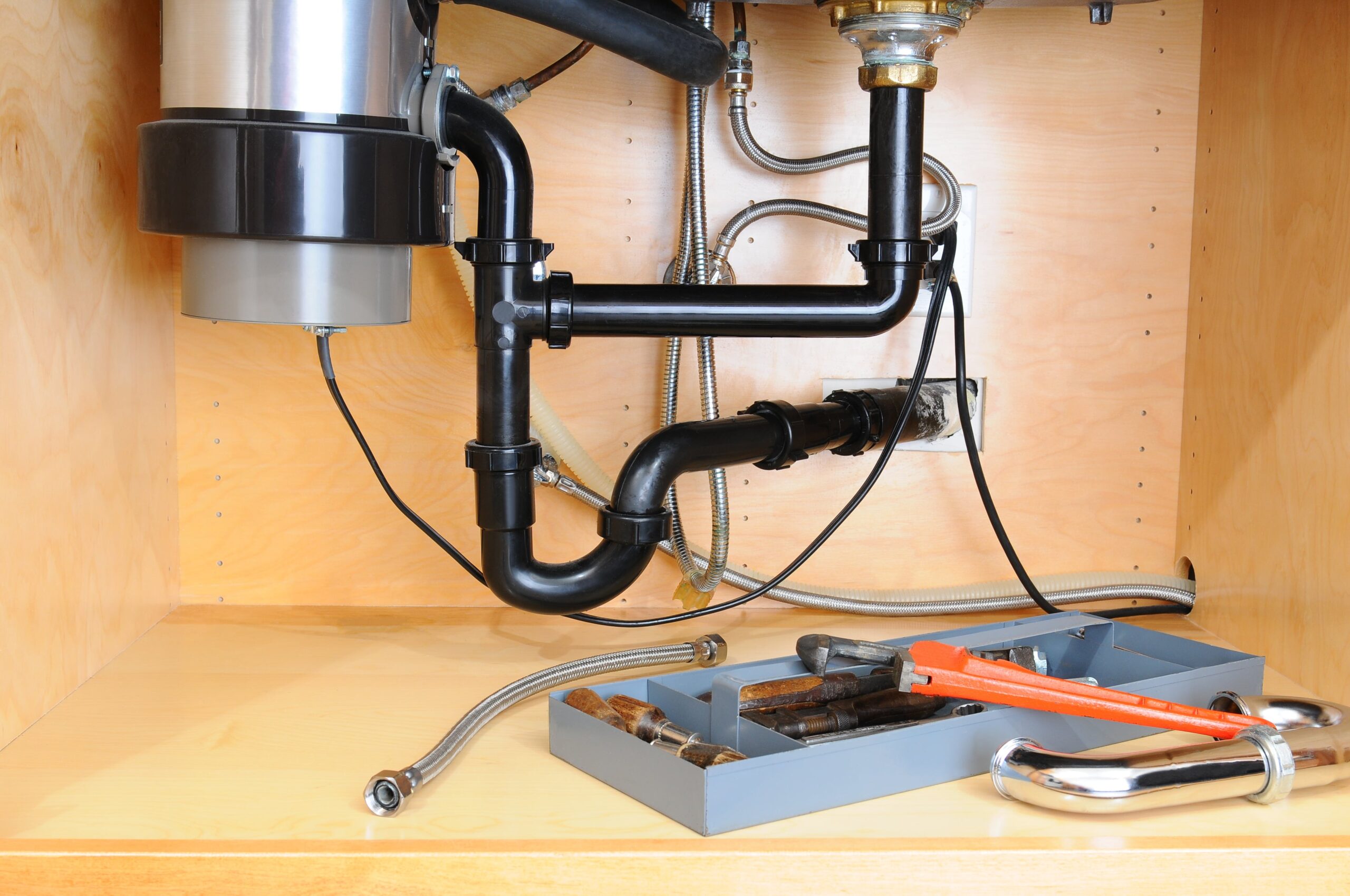
Measure the space under your sink. Higher HP units are physically larger, so ensure there’s room for installation and future maintenance. Also check drain compatibility with dishwasher lines and plumbing configurations.
7. Installation Tips & Cost
Professional installation typically takes 1–2 hours. New wiring or outlets may be needed for certain switches. Expect to pay clear pricing form us, whether it’s a replacement or new install. AquaGuard handles the full process from start to finish.
8. Maintenance & Care
Extend disposal life by running cold water during and after use, grinding small bones regularly to clean the chamber, and avoiding grease. Occasionally freshen with ice cubes or citrus peels, and unjam with the supplied hex key rather than harsh chemicals. Regular care prevents odors and improves performance.
Local Expert Insight
In tight townhouse kitchens or older homes across the D.C. metro area, space and noise matter. AquaGuard helps homeowners select the right model—sizing for horsepower, ensuring fit under cabinets, and recommending insulated, stainless steel units with appropriate safety features. We handle proper venting and wiring to ensure smooth operation and comply with local codes.
AquaGuard’s 3‑Step Selection & Installation
- Consult & Assess – We review your kitchen layout, disposal needs, and preferences
- Install & Connect – We fit the unit, connect plumbing and electrical, test operation
- Educate & Maintain – We show you best use practices and provide warranty-supported care
📞 Call AquaGuard at (301) 605‑4899 or contact us online to upgrade your kitchen today.
FAQs
Q: What horsepower do I need?
A: ½ HP works for small households, ¾ HP is ideal for 3–5 people, and 1 HP or more suits larger, heavy-use homes.
Q: Is continuous-feed safe?
A: Yes—with proper use and a splashguard. If safety is a concern, batch-feed models prevent operation without the lid.
Q: Do I need stainless steel?
A: Strongly recommended. It lasts longer and cleans better than plastic or galvanized steel .
Q: Will it reduce kitchen smells?
A: Yes—by grinding scraps into drain flow, disposals help prevent odor-causing trash and deter pests.
Q: Can I use it with a septic tank?
A: Yes—look for septic‑assist models that include enzymes to support bacterial balance in your tank.
Call AquaGuard Today
Picking the right garbage disposal means choosing horsepower that matches your kitchen habits, selecting the safest feed type, and opting for durable materials. With proper installation and care, your appliance will boost convenience and protect your plumbing. AquaGuard helps D.C. metro homeowners find and install the perfect unit—backed by local knowledge and 24/7 support.
📞 Call AquaGuard at (301) 605‑4899 or contact us online to upgrade your kitchen today.