Clean, safe water is essential for your family’s health—and your plumbing. In many parts of the D.C. metro area, water quality can vary from neighborhood to neighborhood. Whether you’re in Bethesda, Capitol Heights, or Arlington, contaminants like chlorine, sediment, hard minerals, and even lead can impact the taste, safety, and longevity of your water system. That’s where water filtration systems come in.
At AquaGuard, we help local homeowners choose the right water treatment solutions based on their home’s plumbing, budget, and water source. This guide breaks down the most popular types of water filtration systems, so you can make an informed decision for your household.
Key Takeaways
- There are several types of filtration systems—each serves a different purpose
- Choosing the right system depends on your water quality and usage needs
- Whole-home systems offer broader protection than faucet or pitcher filters
- AquaGuard installs and services filtration systems across the D.C. region
What Is a Water Filtration System?
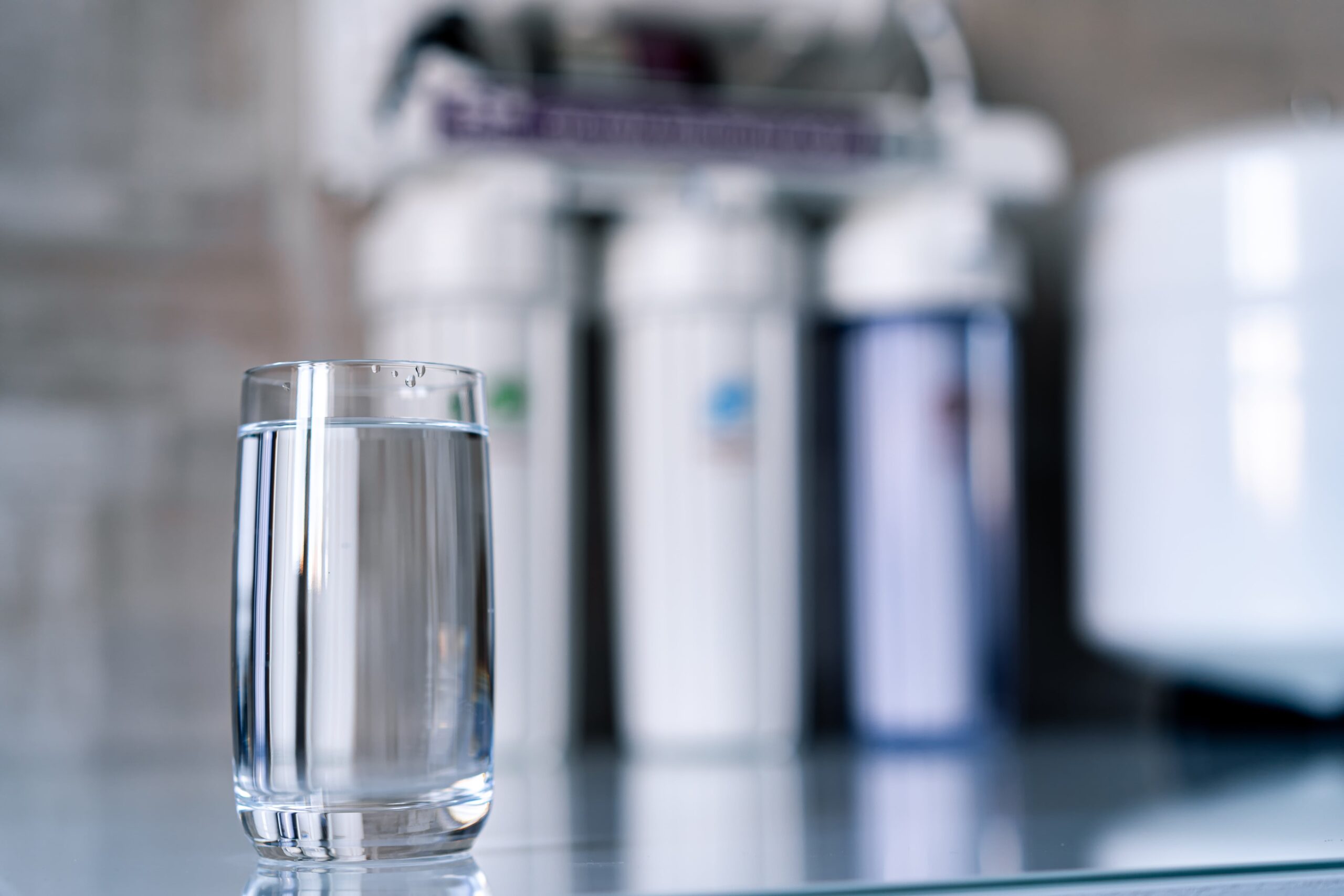
Water filtration systems remove impurities like sediment, chlorine, heavy metals, and bacteria from your water supply. Some systems treat the entire home’s water (point-of-entry), while others are installed at specific taps (point-of-use).
Filtration systems can improve:
- Taste and smell of drinking water
- Skin and hair condition during showers
- Appliance efficiency and longevity
- Overall household health and safety
1. Carbon-Based Filtration Systems
One of the most common types of water filters, activated carbon systems use charcoal to absorb contaminants. These filters are especially good at removing chlorine, volatile organic compounds (VOCs), and unpleasant odors.
Carbon filters are available in:
- Faucet-mounted or countertop units
- Under-sink systems
- Whole-home carbon tanks
They are easy to maintain and effective for most municipal water supplies. However, they don’t remove minerals or dissolved solids, so they may be better as part of a multi-stage system.
2. Reverse Osmosis (RO) Systems
Reverse osmosis systems use pressure to force water through a semi-permeable membrane, trapping a wide range of contaminants—including lead, fluoride, nitrates, and arsenic.
RO systems are ideal for:
- Households with questionable water sources
- Homes relying on well water
- Residents seeking the purest drinking water possible
These systems are usually installed under the sink. They often include multiple stages of filtration, including carbon and sediment filters, and require regular filter replacements.
3. Whole-Home Water Filtration Systems
Whole-home (or point-of-entry) filtration systems treat water as it enters your home’s plumbing system. This means every tap, shower, and appliance benefits from cleaner water.
Common whole-home options include:
- Sediment filters (for dirt, rust, and sand)
- Carbon filters (for chlorine and odors)
- KDF filters (for heavy metals and bacteria)
- UV filters (for disinfection)
These systems are ideal for homes with hard water, old plumbing, or residents with skin sensitivities. Many homeowners in Capitol Heights and Silver Spring choose whole-home systems for complete protection.
4. Water Softeners
While not technically filters, water softeners are vital in areas with hard water—common in Fairfax County and parts of Montgomery County. These systems use ion exchange to remove calcium and magnesium, which cause scale buildup on pipes and appliances.
Benefits of water softeners:
- Reduce soap scum and water spots
- Extend appliance life
- Improve water heater efficiency
- Make cleaning easier
AquaGuard often installs water softeners alongside filtration systems for homeowners looking for both purity and performance.
5. UV Water Purification Systems
Ultraviolet (UV) systems kill bacteria, viruses, and microbes using high-frequency light. They’re particularly useful for homes using well water or water from a private source.
UV systems:
- Don’t change the taste or odor of water
- Work best with pre-filtered water
- Are maintenance-light (just replace bulbs annually)
We’ve installed UV filters in several homes near Upper Marlboro and rural edges of Prince George’s County, where municipal treatment may be less reliable.
Local Expert Tip: Know Your Water First
Before choosing a system, it’s essential to understand your water’s makeup. AquaGuard offers water testing services that can identify contaminants in your tap water. We’ve seen customers in Hyattsville switch to RO systems after discovering high nitrate levels—and others in Arlington opt for carbon filters to eliminate chlorine.
Each area has its quirks:
- Bethesda: often deals with hard water and chlorine taste
- Capitol Heights: older pipes may introduce lead and rust
- Fairfax: common need for softeners and sediment filters
When you call AquaGuard, we’ll help you match the right system to your water quality, plumbing setup, and budget.
AquaGuard’s 3-Step Water Filtration Process
- Water Testing & Consultation
We start with a water analysis and listen to your concerns. Whether it’s foul taste, hard water, or health worries, we tailor our advice to your household. - System Selection & Installation
Once we know your needs, we help you choose the best system. Our licensed plumbers handle installation cleanly and quickly, minimizing disruptions. - Ongoing Support & Maintenance
We offer regular filter changes, UV bulb replacements, and system checkups to keep everything running smoothly.
Frequently Asked Questions
Q: Do I really need a whole-home filtration system?
If your water has multiple contaminants—chlorine, sediment, heavy metals—then yes. It ensures clean water for drinking, bathing, and appliances.
Q: How often should I replace my water filters?
It depends on the system. Carbon filters last 3–6 months, RO membranes up to 2 years, and UV bulbs usually 12 months.
Q: Can filtration systems remove lead?
Yes—but only specific filters. RO systems and certified carbon filters are best for removing lead and other heavy metals.
Q: Will a filter improve the taste of my water?
Absolutely. Many customers notice an immediate difference, especially when switching from chlorine-heavy tap water.
Q: What if I rent my home?
Point-of-use systems like under-sink or countertop filters are perfect for renters. They require minimal installation and can move with you.
Contact AquaGuard Today
Whether you’re worried about taste, health risks, or plumbing damage, a good water filtration system is a smart investment. AquaGuard’s local team is here to help you choose the right system, install it professionally, and maintain it for years to come.
We serve families across Washington, D.C., Prince George’s County, Montgomery County, and Northern Virginia with expert advice, honest pricing, and same-day service when needed.
Ready to improve your home’s water quality?
Call AquaGuard at (301) 605-4899 or book a consultation online. We’ll help you find the perfect filtration solution for your home.