Why Fall Plumbing Prep Matters
Fall in the DC, Maryland, and Virginia area is a beautiful season — cooler weather, colorful leaves, and a chance to prepare your home before winter sets in. But while many homeowners focus on cleaning gutters or servicing their furnace, they often overlook their plumbing. That’s a costly mistake.
Plumbing problems in fall may start small but can grow into expensive emergencies in winter. Frozen pipes, clogged drains, and overworked water heaters are just a few of the issues that appear when temperatures drop. By avoiding common errors, you can save money, protect your home, and enjoy peace of mind.
This guide highlights the top plumbing mistakes homeowners make in fall and how to avoid them.
Mistake 1: Ignoring Outdoor Faucets and Hoses
One of the most common fall mistakes is leaving hoses connected to outdoor spigots. When temperatures drop, water left inside hoses or outdoor faucets can freeze, expand, and crack the pipes inside your walls.
Why This Matters
Even a small crack can cause major water damage once the ice thaws. Outdoor faucet failures are one of the top sources of winter plumbing emergencies.
How to Avoid It
- Disconnect and drain all garden hoses before the first freeze.
- Shut off the water supply to outdoor faucets from the inside if possible.
- Add faucet covers for extra insulation.
Mistake 2: Skipping Pipe Insulation
Many homeowners assume their pipes are safe because they’ve never had a problem before. But each fall and winter are different, and a sudden cold snap can freeze pipes that were fine last year.
Why This Matters
Uninsulated pipes in attics, basements, crawl spaces, and garages are extremely vulnerable. Frozen pipes can burst and cause flooding in hours.
How to Avoid It
- Insulate exposed pipes with foam sleeves or heating tape.
- Focus on areas near exterior walls or unheated spaces.
- Seal gaps in walls or foundations where cold air enters.
Mistake 3: Neglecting the Water Heater
Fall is when water heaters start working overtime. The incoming water supply is colder, families take longer showers, and the heater has to work harder to keep up. Many homeowners don’t think about water heater maintenance until it fails.
Why This Matters
Sediment buildup, worn parts, or poor insulation can reduce efficiency and increase the risk of breakdowns just when you need hot water most.
How to Avoid It
- Flush the tank to remove sediment.
- Test the pressure relief valve.
- Check the thermostat (120°F is ideal).
- Call a professional if your heater is 8+ years old or showing signs of wear.
Mistake 4: Forgetting About Gutters and Outdoor Drains
Most people clean their gutters in fall, but they often forget how clogged drains affect plumbing. When water can’t drain properly, it backs up toward your foundation and basement.
Why This Matters
Poor drainage increases the risk of basement leaks, sewer line stress, and sump pump overload.
How to Avoid It
- Clean gutters and downspouts thoroughly.
- Check that water flows away from the house.
- Clear leaves and debris from yard drains.
Mistake 5: Not Testing the Sump Pump
Basement flooding isn’t just a spring or summer issue. Heavy fall rains and melting ice can overwhelm a weak sump pump. Many homeowners don’t test their pump until it’s too late.
Why This Matters
A failed sump pump during a storm can leave your basement underwater, damaging storage, flooring, and HVAC equipment.
How to Avoid It
- Pour water into the sump pit to test activation.
- Check the backup battery if your pump has one.
- Schedule an inspection if it hasn’t been serviced in years.
Mistake 6: Ignoring Sewer Line Warning Signs
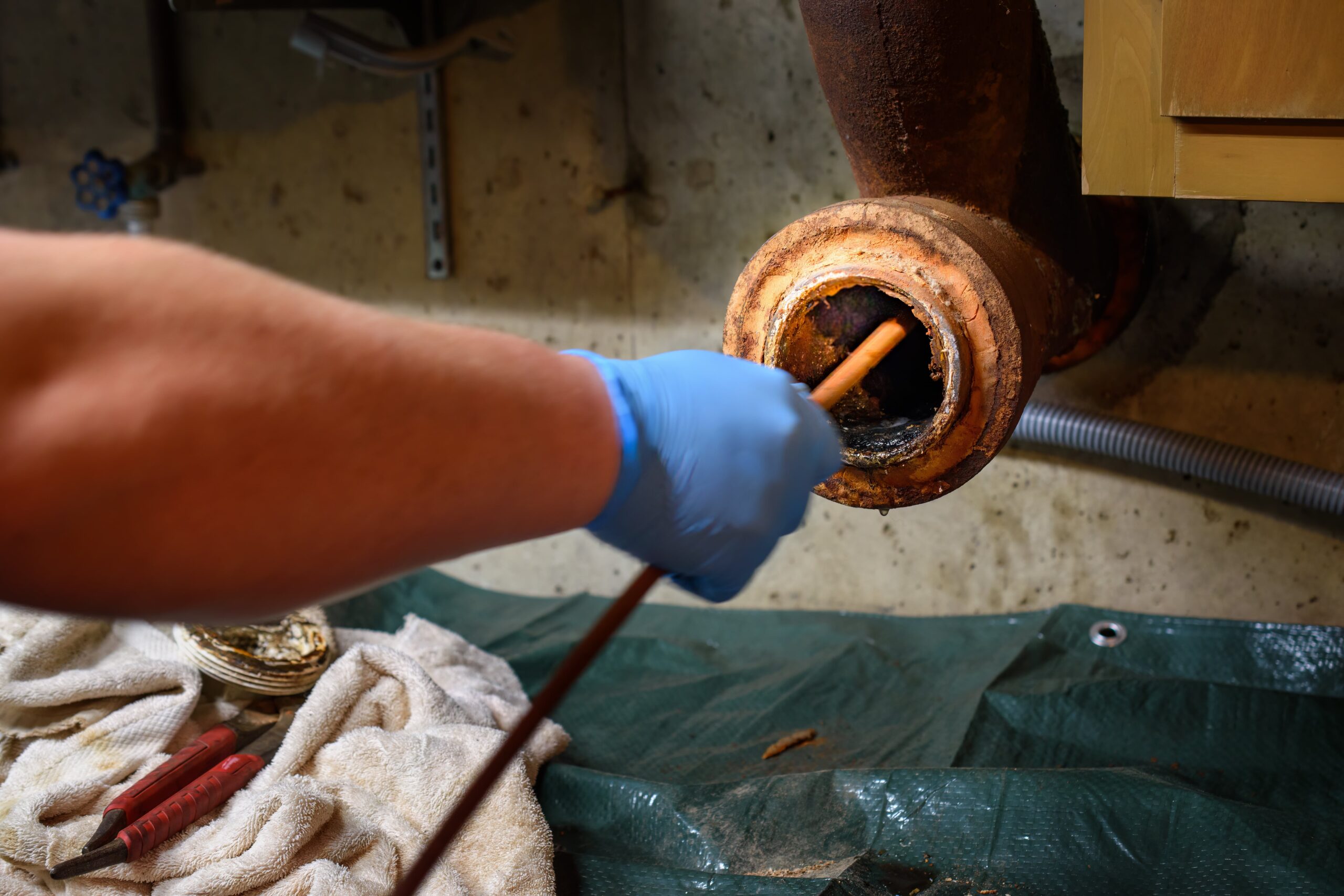
Fall puts extra strain on sewer lines as tree roots search for water and falling leaves clog outdoor drains. Many homeowners overlook early signs of trouble.
Why This Matters
Sewer backups are messy, unsanitary, and expensive to fix. They rarely happen without warning.
How to Avoid It
- Watch for slow drains in multiple fixtures.
- Listen for gurgling sounds in toilets.
- Call for a camera inspection if problems persist.
Mistake 7: Forgetting to Locate the Main Shut-Off Valve
Few homeowners think about their main water shut-off until disaster strikes. Not knowing where it is — or if it works — can turn a small leak into catastrophic damage.
Why This Matters
Every second counts during a plumbing emergency. Quickly shutting off your water supply limits damage.
How to Avoid It
- Locate your main water shut-off valve now.
- Test it to ensure it turns smoothly.
- Teach family members how to use it.
Mistake 8: Putting Off Professional Inspections
Many homeowners skip routine plumbing inspections to save money. Unfortunately, that choice often costs more in the long run.
Why This Matters
Inspections catch small leaks, failing valves, and worn parts before they cause major emergencies. They also ensure your plumbing is ready for winter.
How to Avoid It
- Schedule a fall plumbing inspection with a licensed plumber.
- Ask for a full check of pipes, water heater, sump pump, and sewer line.
Avoiding Fall Plumbing Mistakes Saves Time and Money
Fall is the season of preparation. By avoiding these common mistakes, you’ll protect your home, save money, and prevent emergencies during the harshest months of the year.
Plumbing problems rarely happen overnight. They build up over time — and fall is the perfect moment to address them. From pipe insulation to water heater maintenance, small preventive steps today will save you from big headaches tomorrow.
AquaGuard is here to help DMV homeowners stay ahead of plumbing problems. Whether you need an inspection, maintenance, or 24/7 emergency service, our team is ready to protect your home this season.