Why Myths About Frozen Pipes Cost Homeowners
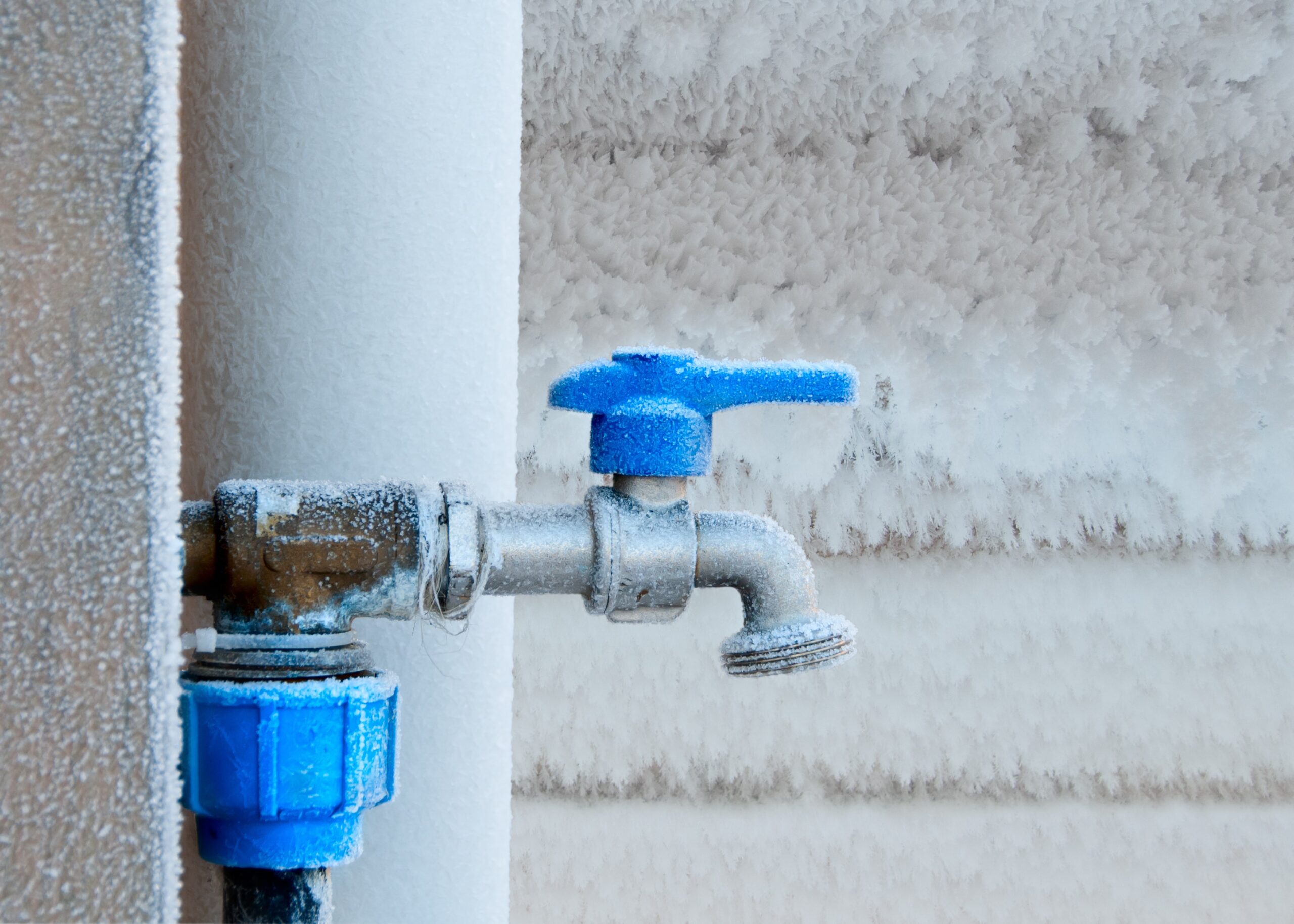
Every winter, homeowners across the DC, Maryland, and Virginia area deal with frozen pipes. The damage can be severe, but what makes matters worse is the number of myths floating around about how to prevent or fix the problem. Acting on bad information can put your home at greater risk and cost you more money in the long run.
It’s time to separate truth from fiction. In this guide, we’ll debunk the most common myths about frozen pipes and explain the facts every homeowner should know.
Myth 1: Pipes Only Freeze in Extremely Cold Weather
Many people think frozen pipes are only a concern in northern states or during record-breaking cold. That’s not true.
Fact: Pipes Can Freeze in Temperatures Around 32°F
Even in the Mid-Atlantic, a sudden cold snap can freeze unprotected pipes. Basements, crawl spaces, and outdoor plumbing are especially vulnerable. Homeowners should prepare before the first freeze, not after.
Myth 2: Dripping Faucets Waste Too Much Water
Some homeowners avoid letting faucets drip on cold nights because they don’t want to increase their water bill.
Fact: A Drip Can Save Thousands
Yes, a dripping faucet uses some water, but it’s minimal compared to the cost of a burst pipe. Allowing a slow drip keeps water moving, which helps prevent freezing.
Myth 3: Hot Water Pipes Don’t Freeze
It sounds logical — if hot water flows through a pipe, how could it freeze? Unfortunately, this isn’t how plumbing works.
Fact: Hot Water Pipes Are Just as Vulnerable
Once the water inside the pipe cools, it can freeze just like cold water pipes. Hot water lines in uninsulated areas need the same protection as cold ones.
Myth 4: You Can Use an Open Flame to Thaw Frozen Pipes
Some DIY guides suggest using a torch or lighter to thaw frozen pipes quickly. This is extremely dangerous.
Fact: Open Flames Can Cause Fires and Damage Pipes
The safest way to thaw a frozen pipe is by applying gentle heat. Use a hair dryer, heating pad, or space heater. Never use an open flame. If the pipe has already burst, shut off the water supply and call a plumber immediately.
Myth 5: If Pipes Are Inside, They Can’t Freeze
Homeowners often assume that indoor pipes are safe because they’re not exposed to the elements.
Fact: Interior Pipes Can Freeze Too
Pipes along exterior walls, inside cabinets, or in unheated basements can and do freeze. Opening cabinet doors and sealing drafts helps keep them safe.
Myth 6: Frozen Pipes Always Burst
A common fear is that once a pipe freezes, it will definitely burst. That’s not always the case.
Fact: Not Every Frozen Pipe Bursts, But Many Do
Sometimes pipes thaw without breaking, but the risk is very high. The safest move is to treat every frozen pipe as an emergency and call a professional if you’re unsure.
Myth 7: Frozen Pipes Are Easy to Spot
Some homeowners believe frozen pipes are obvious, with visible frost or no water at all.
Fact: Frozen Pipes Often Go Unnoticed
Not all frozen pipes show signs right away. Some are hidden behind walls or in crawl spaces. By the time you notice reduced water flow or strange noises, the situation may already be serious.
Preventive Steps That Actually Work
Now that the myths are out of the way, here’s what really helps with frozen pipe prevention:
- Insulate exposed pipes with foam sleeves or heat tape
- Seal drafts near windows, doors, and foundations
- Disconnect garden hoses and shut off outdoor spigots
- Open cabinet doors under sinks on the coldest nights
- Keep faucets dripping during freezing weather
- Schedule a fall plumbing inspection to catch risks early
Why Professional Help Matters
While DIY prevention is important, some risks can’t be addressed without a plumber’s expertise. Camera inspections, professional insulation, and emergency services all provide peace of mind. AquaGuard’s licensed plumbers know where to look, what to fix, and how to prevent disasters before they happen.
Don’t Let Myths Put Your Home at Risk
Frozen pipes are one of the most common winter plumbing emergencies in the DMV — and one of the most preventable. By ignoring the myths and following proven prevention steps, you can protect your home, your wallet, and your peace of mind.
AquaGuard is here 24/7 to help with frozen pipe prevention and emergency repairs across DC, Maryland, and Virginia. Call today to schedule your inspection before the first freeze.