Why Frozen Pipes Prevention Matters
When winter rolls into the DMV, most of us are thinking about cozy nights inside and holiday plans — not our plumbing. But the truth is, frozen pipes are one of the most common (and expensive) problems homeowners face in cold weather.
When water freezes inside your pipes, it expands. That pressure has to go somewhere — and usually it means a burst pipe, water flooding your home, and a repair bill that can run well over $5,000.
The good news? Frozen pipes prevention doesn’t have to be complicated. With a little prep before the deep freeze sets in, you can save yourself a lot of stress and money.
What Causes Frozen Pipes and Why They Burst
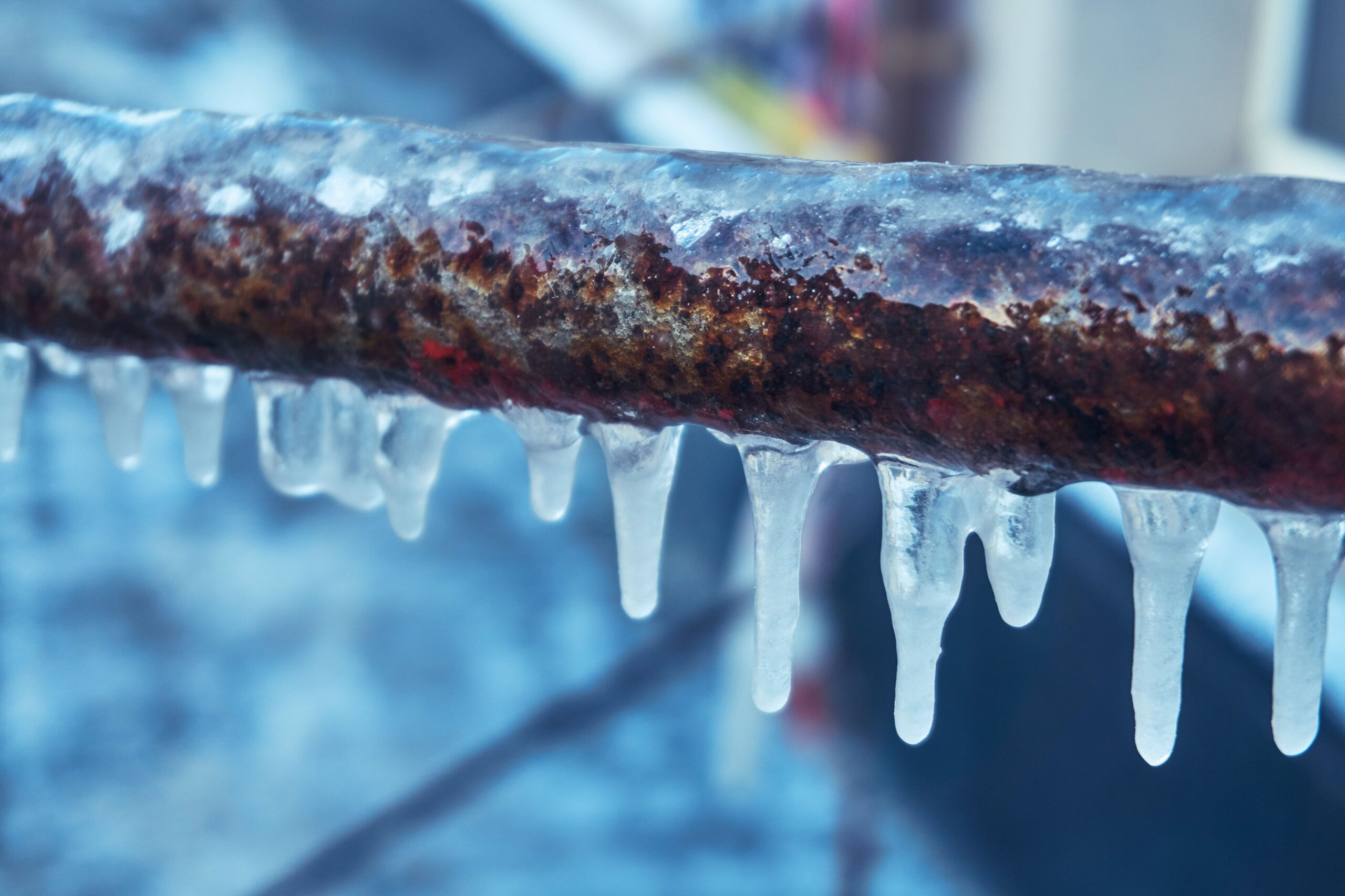
Pipes freeze when the temperature around them dips below 32°F. As the water turns to ice, it swells and pushes against the pipe walls until they crack.
The most vulnerable spots are:
- Outdoor spigots and garden hoses.
- Pipes in basements, crawl spaces, and attics.
- Plumbing that runs along exterior walls without much insulation.
Think of these areas as your plumbing’s “cold spots.” Targeting them is the first step in frozen pipes prevention.
Warning Signs to Watch For
Not sure if your pipes are in danger? Look out for these red flags:
- Frost or ice buildup on visible pipes.
- Weak water flow (or none at all) when you turn on a tap.
- Odd noises like banging or gurgling when water is running.
If you notice any of these, it’s time to act fast before a small issue turns into a major emergency.
Frozen Pipes Prevention: Your 5-Step Checklist
Here’s a simple checklist you can tackle this weekend:
- Wrap and Insulate Pipes
Foam sleeves and heat tape are inexpensive and can protect your pipes in unheated areas. - Let Faucets Drip on Cold Nights
Running water, even just a trickle, helps keep pipes from freezing. - Seal Up Drafts
Check for cracks near windows, doors, or your foundation. A quick caulk job keeps cold air out. - Unhook Garden Hoses
Disconnect and drain hoses, then shut off the outdoor spigot from inside your home. - Open Cabinet Doors
On freezing nights, let warm air circulate around pipes under sinks.
These steps take less than an hour but can save you thousands in repairs.
What to Do If a Pipe Freezes or Bursts
Sometimes, even with the best preparation, things still go wrong. Here’s what to do if you’re dealing with a frozen or burst pipe:
- Shut off your main water supply right away to stop the flooding.
- Open faucets to release built-up pressure.
- Warm the pipe carefully using a space heater, heating pad, or even a hair dryer (never use an open flame).
- Call AquaGuard’s 24/7 emergency plumbing team. We’re local, fast, and trained to handle frozen pipe emergencies in the DMV.
Why Prevention is Worth It
A burst pipe can cost more than $5,000 in water damage alone — not counting repairs to drywall, flooring, or furniture. By comparison, insulation and a quick inspection run a fraction of that cost.
Frozen pipes prevention isn’t just about avoiding a mess — it’s about saving money and protecting your peace of mind.
Helpful Resources
- Emergency Plumbing Services – AquaGuard (internal link)
- Water Heater Services – AquaGuard (internal link)
Stay Ahead of Winter Plumbing Problems
Winter doesn’t have to mean plumbing emergencies. With a few preventive steps, you can keep your pipes safe, your home dry, and your stress levels low.
If you want peace of mind before the temperatures drop, AquaGuard is here for you. From frozen pipes prevention to 24/7 emergency plumbing, we’ve got the DMV covered. Call us today to schedule your pre-winter inspection.