Storm Season Isn’t the Time for Surprises
When the next heavy storm rolls through, your sump pump should already be prepared. A functioning sump pump is the most important protection your basement has against water damage—but many homeowners don’t think about it until it’s too late.
If your sump pump hasn’t been inspected, tested, or maintained recently, you may be at risk. Storm season brings long downpours, power outages, and high groundwater levels—conditions that quickly overwhelm unprepared systems.
This post helps you evaluate your current setup, identify warning signs, and understand what to check before the next big storm.
What Happens During Storm Season
Storm season brings increased water pressure around your foundation. Common conditions include:
- Continuous rainfall that floods the soil
- Blocked street drains and overflowing gutters
- Power failures that disable electric pumps
- Flash flooding in low-lying areas
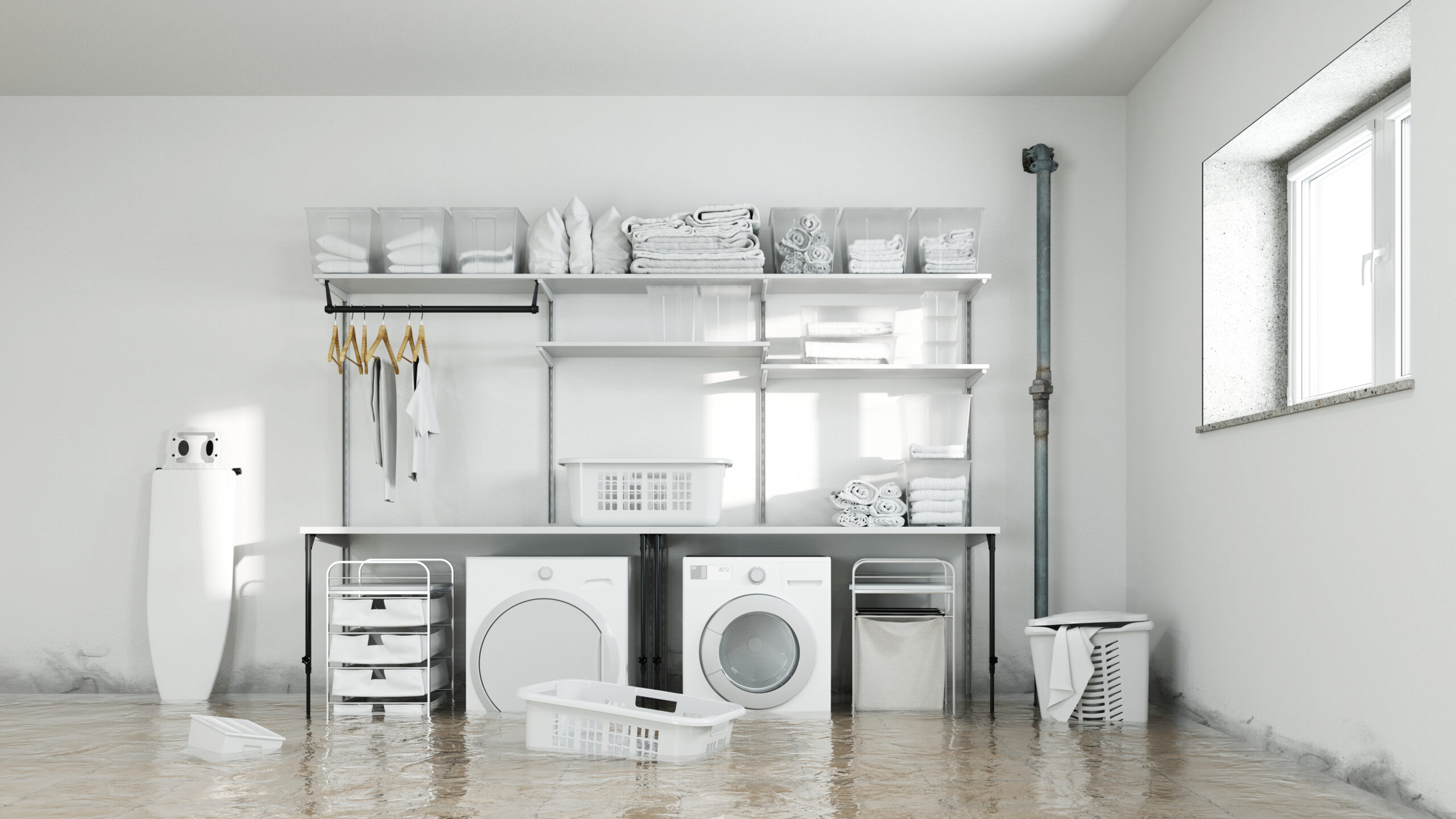
If your sump pump isn’t fully operational—or if your backup system fails—you could be facing inches (or feet) of water in your basement.
Quick Self-Check: Is Your Sump Pump Ready?
Here’s how to perform a basic readiness check at home:
- Power: Is the unit plugged in and receiving power from a safe GFCI outlet?
- Activation: Does the float switch trigger the pump when you pour water into the pit?
- Discharge: Is water pushed away from the foundation and not pooling nearby?
- Noise: Is the pump running smoothly—without grinding or rattling?
- Battery Backup: If you lose power, will your backup system turn on?
If the answer to any of these is “I’m not sure,” it’s time for a closer inspection or a call to a professional.
Common Problems That Appear During Storm Season
Sump pumps that fail during storms usually suffer from one of the following:
1. Power Failure
Storms frequently knock out electricity. If you don’t have a battery or water-powered backup, your pump shuts down when you need it most.
2. Float Switch Malfunction
The float switch tells the pump when to turn on. If it sticks or fails, the system won’t activate—no matter how much water enters the pit.
3. Clogged Discharge Line
Leaves, mud, or frozen sections can block the line and prevent water from draining away. Water may back up into the basement or damage the pump.
4. Worn-Out Pump
Most pumps last 7–10 years. If yours is older, or hasn’t been serviced, it may not handle peak loads during storm season.
Signs You Should Inspect or Replace Your Pump
Even if your sump pump seems to be working, these warning signs mean it’s time for a service:
- The pump is constantly running—even in dry weather
- You hear buzzing, clanging, or irregular cycling
- The pump fails to shut off after a cycle
- There’s visible rust, corrosion, or standing water in the pit
- Your pump is 7+ years old and hasn’t been maintained
Waiting until the system fails during a storm is a costly mistake. Pre-season inspection helps you avoid disaster.
Don’t Forget the Backup System
Your main pump isn’t the only part that matters. If your home loses power during a storm, your battery backup is critical.
Make sure to:
- Replace batteries every 3–5 years
- Test battery systems at least twice per year
- Keep the battery and terminals clean and dry
- Upgrade to higher-capacity units if your home is in a flood-prone zone
If you don’t have a backup system, now is the time to install one—not during the next thunderstorm.
The Role of Preventative Maintenance
Routine sump pump maintenance ensures your system is clean, efficient, and ready to run. Seasonal checks are especially important heading into spring and summer storm cycles.
Professional service may include:
- Clearing the pit and testing the pump
- Checking the float switch and check valve
- Inspecting the discharge line
- Replacing worn parts before failure
- Verifying that your backup system is operational
Even a well-maintained pump should be serviced annually—ideally before the first major rain event of the season.
AquaGuard Can Help You Get Storm-Ready
Our team provides full sump pump inspections, replacements, and emergency repairs. We help homeowners prevent water damage before it starts—with expert care and reliable service.
We serve customers throughout:
- Prince George’s County
- Montgomery County
- Alexandria, VA
- Washington, DC
- And the surrounding areas
If you’re unsure about your system—or want peace of mind before storm season—call AquaGuard today.
Take Action Before the Rain Starts
Sump pump failure during a storm isn’t just inconvenient—it’s expensive. A flooded basement can lead to mold, damaged flooring, and lost belongings. The best defense is prevention.
Test your sump pump. Inspect your backup. And if anything doesn’t look right, get help before the skies open up.
Is your sump pump storm-ready?
Schedule a seasonal inspection or upgrade with AquaGuard today. We help protect homes from costly flooding with expert service and reliable solutions.