One Size Doesn’t Fit All
If you live in Maryland and have a basement, chances are you’ve either installed a sump pump—or wish you had. But not all sump pumps are created equal. Choosing the wrong one can leave your basement underprotected, oversized (and overpriced), or simply ineffective.
Whether you live in a Colonial in Montgomery County or a split-level in Prince George’s County, the right sump pump depends on your home’s size, soil conditions, and flooding history. This guide breaks down the types, sizing, and features that matter when selecting the ideal sump pump.
Why the Right Pump Matters
A sump pump isn’t just a box you install and forget. If it’s too weak, it won’t keep up during storms. If it’s too powerful, it may cycle too often and wear out faster. And if it’s the wrong type, it may not last a single season.
Maryland homes deal with unique challenges:
- High water tables near rivers or marshland
- Poor drainage in dense suburban neighborhoods
- Aging homes with no exterior waterproofing
- Flash flooding and snowmelt runoff in the spring
Choosing the right sump pump for these conditions means better protection, fewer surprises, and more peace of mind.
Submersible vs. Pedestal Sump Pumps
There are two main types of sump pumps used in residential basements:
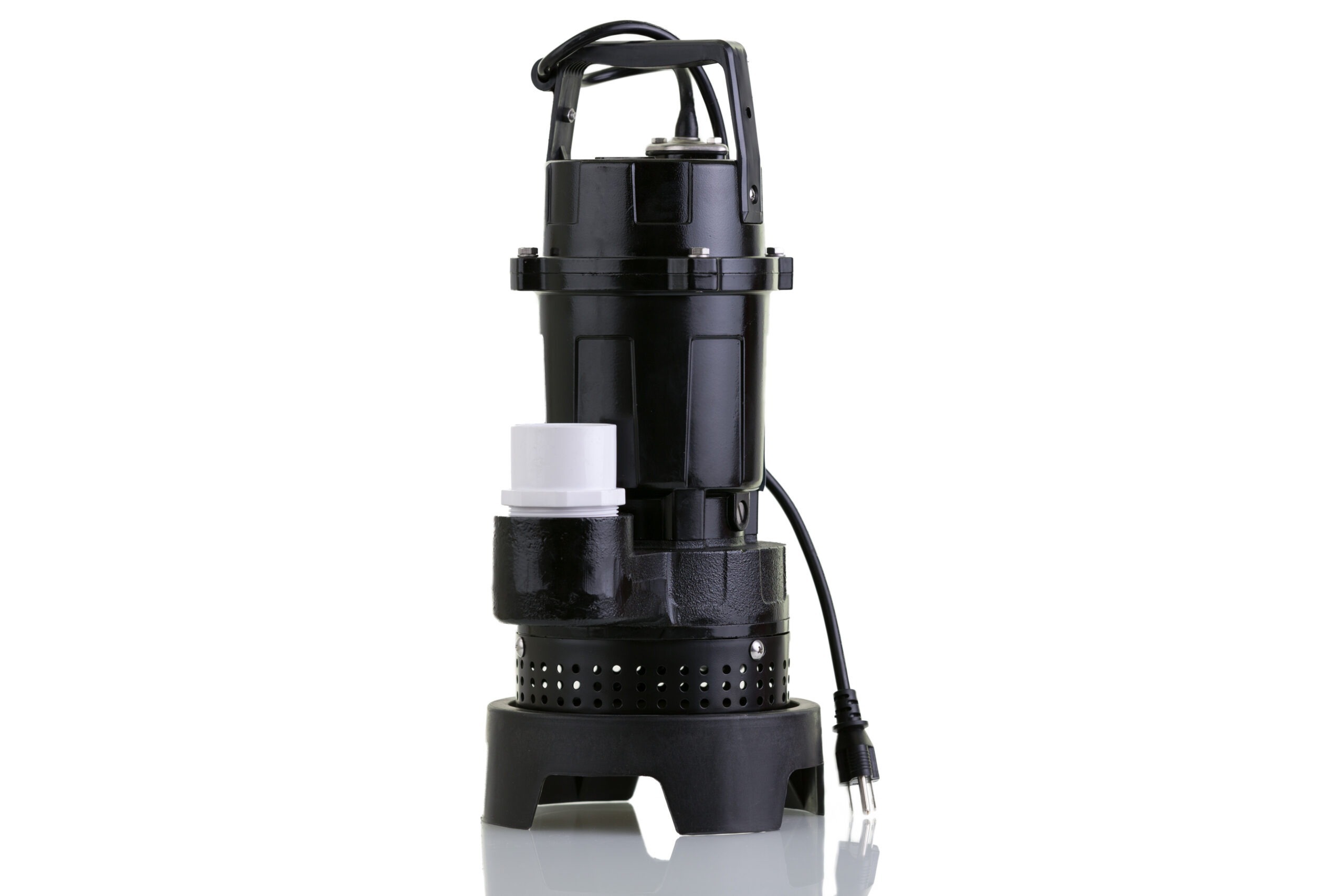
1. Submersible Sump Pumps
- Installed fully inside the sump pit
- Motor and pump are sealed and waterproof
- Quieter operation
- Higher pumping capacity
- Better for finished basements or frequent water entry
Best for: Homes that experience regular storms, deeper pits, or larger basements.
2. Pedestal Sump Pumps
- Motor sits above the sump pit
- Easier to access for service
- Lower initial cost
- Louder operation
- Pumps less water per minute
Best for: Homes with shallow pits, infrequent water, or unfinished spaces.
In basements in flood-prone areas—submersible pumps are the better long-term solution.
How to Size a Sump Pump
The right pump size depends on how much water your basement collects and how fast you need it gone.
Key Factors to Consider:
- Gallons per minute (GPM) or gallons per hour (GPH)
- Average residential pumps handle 2,000–4,000 GPH at 10 ft of head (vertical lift)
- Head height
- The vertical distance from the pump to the discharge outlet
- Pit size and water inflow
- Shallow pits with slow water entry don’t need a large-capacity pump
- Power supply
- Most pumps plug into a standard 120V outlet, but higher-capacity models may require dedicated circuits
When in doubt, a professional can help you calculate how much water your system needs to manage during peak conditions.
Features That Matter for Maryland Homes
Whether you’re buying new or upgrading, look for these features to ensure better long-term performance:
- Cast iron housing: More durable and dissipates heat better than plastic
- Thermal overload protection: Shuts pump off to prevent overheating
- Vertical float switch: Less prone to tangling or sticking
- Battery backup compatibility: A must-have in case of power outages
- Check valve: Prevents water from flowing back into the pit
- Alarm system: Alerts you if water levels get too high
Tip: If you live near storm-prone areas, don’t skip the backup system.
Do You Need One Pump or Two?
For most homes, one well-sized submersible pump is enough. But if your basement has a history of serious flooding—or you want extra security—you might consider a two-pump system:
- Primary pump: Handles daily water drainage
- Backup pump: Activates if the first fails, or during a power outage
- Alarm and controller: Monitors performance and battery levels
Dual systems are especially useful for finished basements, basement bedrooms, or homes near floodplains.
Professional Installation Makes a Difference
Installing a sump pump isn’t a plug-and-play job. A licensed plumber ensures:
- Proper pit sizing and pump placement
- Sealed connections and stable discharge lines
- Check valve installation to stop backflow
- GFCI-protected outlets and surge protection
- Code compliance for wiring and drainage
An incorrectly installed pump can cycle improperly, flood your basement, or burn out long before its expected lifespan.
Trust AquaGuard to Match the Right Pump to Your Basement
Our licensed team specializes in sump pump installation, replacement, and sizing across the region. We’ll assess your water risk, inspect your pit, and recommend the system that works best for your layout.
We serve homes throughout:
- Montgomery County
- Prince George’s County
- Alexandria, VA
- Washington, DC
- And surrounding communities
Get the Right Pump, the First Time
The right sump pump keeps your home dry and your stress levels low. Whether you’re installing for the first time or replacing an old unit, choosing the right type, size, and features makes all the difference.
And with Maryland’s storm seasons getting less predictable, the sooner you upgrade, the better.
Not sure which sump pump is right for your basement?
Call AquaGuard today for expert advice, professional installation, and peace of mind that lasts through every storm.