
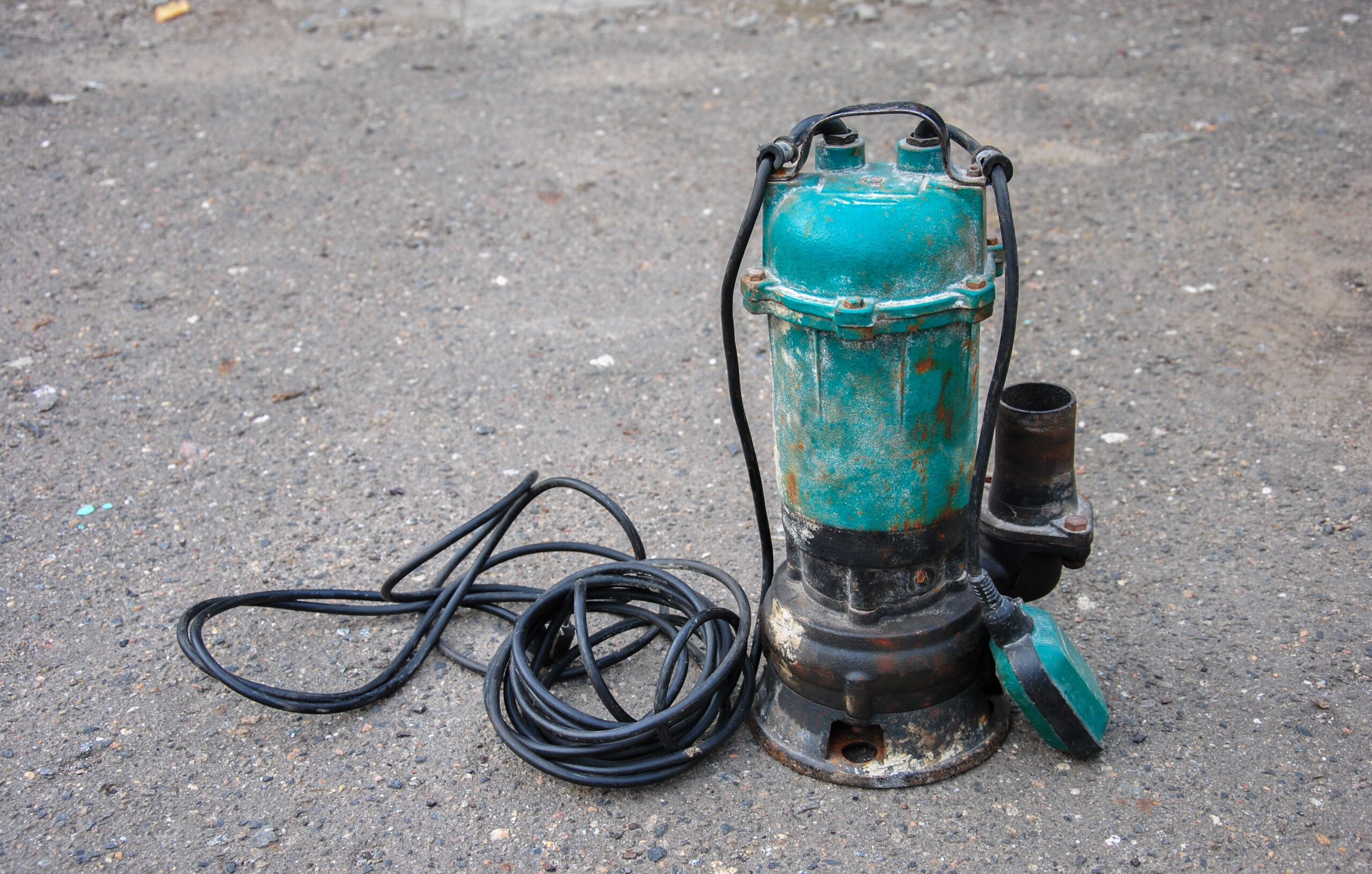
Sump pumps actively remove accumulating groundwater from below property foundations. They activate automatically based on rising water levels inside a dedicated collection pit. This mechanical process requires adequate motor horsepower and a continuous electrical power supply.
Overview
A sump pump is an active mechanical device installed in a specialized pit at the lowest point of a property. This location is typically an unfinished basement or a dirt crawlspace. Its primary structural purpose is to move accumulating groundwater away from the building’s concrete foundation. It operates automatically as surrounding water levels rise during weather events. Groundwater constantly exerts heavy physical pressure on buried foundation walls. A sump pump actively mitigates this pressure by creating a controlled exit path for the water, preventing it from forcing its way through small cracks or porous concrete and entering the interior of the building.
What This Means
Residential properties are heavily surrounded by soil. As this soil becomes saturated from heavy rain, melting snow, or naturally rising water tables, hydrostatic pressure builds directly against the exterior foundation. A sump pit is a physical basin designed specifically to collect this excess water before it penetrates the living space.
The pit sits below the level of the lowest floor. Because water naturally seeks the lowest point, it flows downward into this basin. A mechanical float switch is attached to the side of the pump. This switch detects the rising water level inside the pit. When the water reaches a specific physical height, the float lifts and activates the pump’s electric motor.
The motor drives an internal impeller that actively pushes the collected water upward through a vertical PVC discharge pipe. This rigid pipe directs the water to an exterior location safely away from the foundation walls. Once the pit empties and the water level drops, the float switch drops with it, and the pump deactivates. Conditions vary by system and property.
Common Factors Involved
Several environmental and mechanical factors heavily influence sump pump operation.
The physical depth of the local water table is a primary environmental factor. Properties built in areas with naturally high water tables experience constant, year-round water accumulation regardless of recent rainfall. The frequency and intensity of local storm events dictate how aggressively the pump must operate during a specific window of time.
The mechanical capacity and horsepower of the pump heavily influence its ability to manage heavy water flow. A pump with inadequate horsepower cannot keep up with rapid water entry during severe storms, leading to an inevitable overflow of the pit.
The presence of a reliable electrical supply is strictly essential. The primary pump relies entirely on standard household electrical current to operate the internal motor. If the power grid fails during a severe storm, the primary pump immediately ceases all operation.
How Situations Can Differ
Pump activity and overall system configuration do not look the same in every case.
Properties located in low-lying geographical areas or at the base of steep inclines may require the pump to run continuously during seasonal storms. Properties positioned on higher ground with well-draining, sandy soil may only see pump activation once every few years during extreme weather events.
System configuration heavily influences property reliability. Some properties have secondary, battery-powered backup systems permanently installed alongside the primary pump to address potential power outages during severe weather. Other properties rely solely on a single primary unit.
Physical access limitations can change how easily the pit is monitored for heavy debris like mud or gravel, which can clog the impeller. Prior modifications to exterior landscaping, such as the placement of retaining walls or the routing of gutter downspouts, can also drastically alter how much surface water is directed toward the foundation in the first place.
When Professional Evaluation Is Typically Needed
A sump pump operates inside a dark, wet pit, making it highly difficult to assess its true mechanical condition simply by looking at it. General information cannot accurately test motor electrical resistance or switch reliability under a heavy physical load.
A sump pump requires immediate structural evaluation if it runs continuously without actually discharging any water out of the exterior pipe. This specific symptom often indicates a broken internal impeller or a severe physical blockage in the discharge line. It is also a notable concern if the pump fails to activate when the pit is visibly full of standing water.
Unusual physical noises, such as grinding metal or heavy rattling from the motor casing, suggest internal mechanical wear that typically precedes a complete failure. A pump that cycles on and off rapidly in short bursts often has a faulty check valve, a mechanical flap that is allowing discharged water to fall right back down into the pit. An on-site evaluation allows the electrical draw of the motor to be measured and the float switch to be tested under actual water pressure. Evaluation is often required to understand actual conditions and verify operational readiness before a severe weather event.
Key Takeaways
- Sump pumps actively remove accumulating groundwater from below property foundations.
- They activate automatically based on rising water levels inside a dedicated collection pit.
- Pump effectiveness relies heavily on adequate motor horsepower and a continuous electrical power supply.
- The true mechanical condition of the pump is difficult to verify without physical testing.
- Outcomes depend on real conditions.
Related Information
For general context, see: