
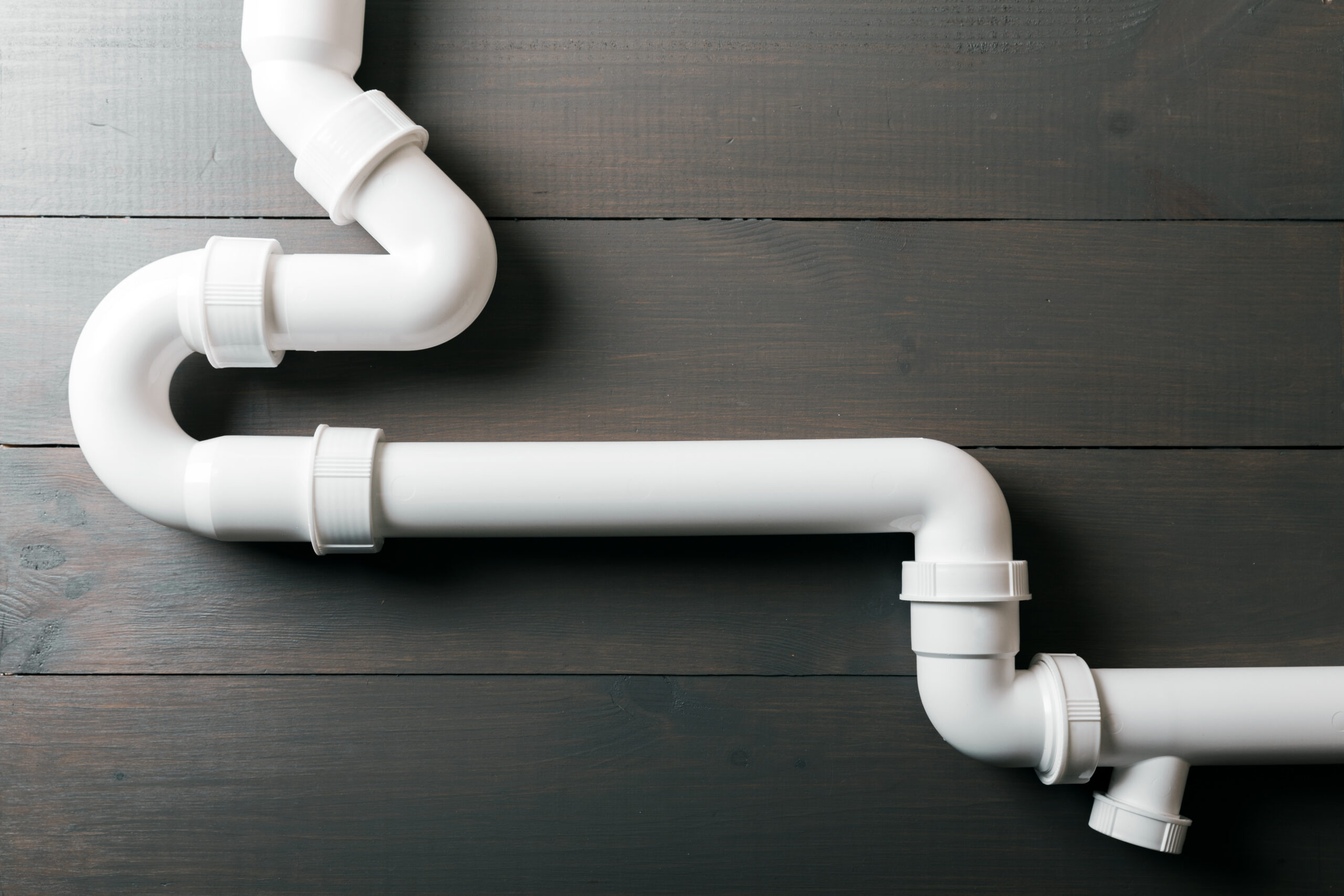
Polybutylene is an older, flexible plastic piping material formerly used in residential water supply lines. This specific material chemically reacts to standard municipal water treatment additives over time. Structural degradation occurs entirely from the inside out.
Overview
Polybutylene is a specific type of plastic resin that was frequently used to manufacture water supply piping. This material was installed extensively in millions of residential properties between the late 1970s and the mid-1990s. It was heavily utilized as a cost-effective, flexible alternative to traditional rigid copper piping. Polybutylene pipes are often identifiable by a flexible blue, gray, or black exterior surface. These specific pipes are responsible for carrying pressurized fresh water throughout the building to individual fixtures. Because this material is no longer manufactured or installed, its presence in a property introduces specific structural considerations.
What This Means
Water supply pipes carry pressurized, chemically treated municipal water from the main meter to every fixture in a building. Over time, the chemical additives used in municipal water treatment facilities physically interact with the polybutylene plastic. Chlorine is a primary municipal additive that constantly interacts with this specific material.
This continuous chemical interaction alters the structural integrity of the plastic at a microscopic level. The material gradually loses its manufactured flexibility and becomes highly brittle. As the pipe becomes brittle, it becomes increasingly susceptible to the constant internal physical pressure of the water it carries.
This chemical degradation occurs entirely from the inside out. This internal breakdown makes it impossible to assess the true condition of the pipe simply by looking at the exterior surface. Micro-fractures form internally along the inner wall. These invisible fractures eventually lead to a sudden structural failure or rupture of the pipe wall itself. Conditions vary by system and property.
Common Factors Involved
Several environmental and physical factors heavily influence the state and lifespan of polybutylene piping.
The chemical composition of the local municipal water supply is a primary factor. Water with higher chlorine concentrations actively accelerates the structural breakdown of the plastic resin. The physical age of the installation also matters heavily. Pipes installed earlier in the manufacturing era have been exposed to constant water pressure and chemical additives for a much longer duration.
The specific type of physical fittings used at the pipe connections influences overall system stability. Early polybutylene installations utilized plastic insert fittings, which proved highly vulnerable to the exact same chemical breakdown as the pipe itself. Later installations transitioned to metal fittings. This transition changed the specific failure points but left the main pipe material vulnerable. High water pressure levels within the home also place additional, constant physical stress on the increasingly brittle pipe walls.
How Situations Can Differ
The physical deterioration of polybutylene does not look the same in every case. Because the material degrades internally, one property may experience a sudden pipe failure while a neighboring property remains seemingly unaffected for years.
Properties supplied exclusively by private wells typically have unchlorinated water. These specific properties may experience a much slower rate of pipe degradation due to the lack of chemical interaction. The physical location of the pipes within the building heavily alters the situation. Pipes located in hot environments, such as unventilated attics or routed immediately near water heaters, may degrade faster than pipes buried underground or located in cool basements. Overall system configuration, including the specific routing and sharp bending of the flexible pipes during original installation, also creates varied physical stress points.
When Professional Evaluation Is Typically Needed
Properties built or plumbed during the polybutylene manufacturing era often require a thorough physical assessment of their supply lines. Unexplained drops in overall water pressure or minor, visible leaks near exposed pipe fittings can actively indicate advancing material degradation. Many standard real estate transactions now require specific physical evaluations of plumbing materials if polybutylene is suspected by an inspector.
General information cannot determine the internal physical integrity of a plastic pipe or identify hidden micro-fractures located behind drywall. Professional evaluation often involves physically inspecting visible connections, accurately testing baseline home water pressure, and mapping the overall pipe layout. An on-site evaluation allows the actual physical conditions to be seen directly so the right diagnostic approach can be determined. Evaluation is often required to understand actual conditions.
Key Takeaways
- Polybutylene is an older, flexible plastic piping material formerly used in residential water supply lines.
- The material chemically reacts to standard municipal water treatment additives over time.
- Structural degradation occurs internally, making visual inspection of the exterior surface entirely insufficient.
- The specific water source and local pressure levels heavily influence the failure rate.
- Outcomes depend on real conditions.
Related Information
For general context, see: