
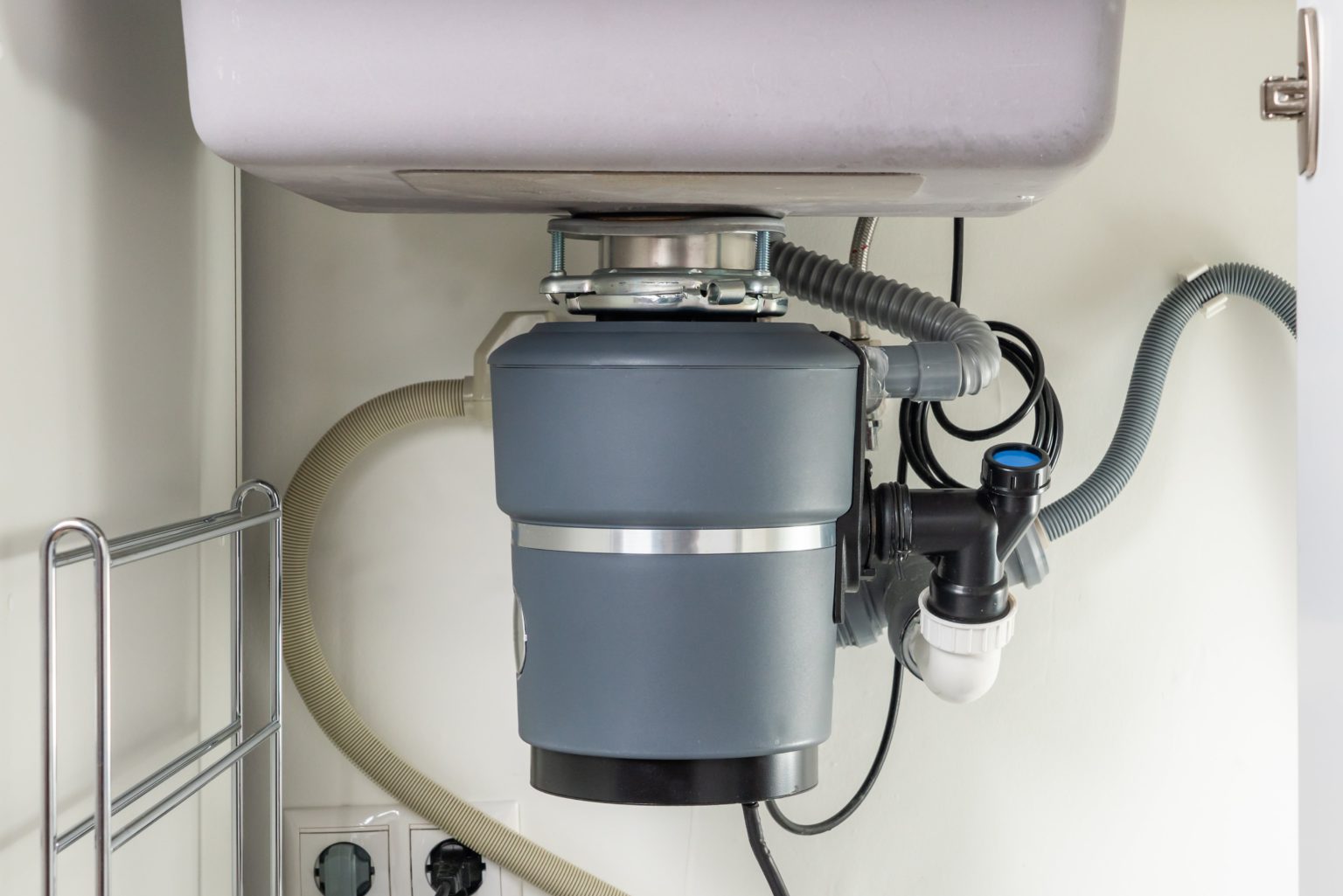
Garbage disposals utilize blunt centrifugal force to grind soft food waste into smaller, manageable particles. They do not contain spinning blades. The system requires constant running water to successfully flush ground materials through the connected plumbing traps.
Overview
A garbage disposal is an electrically powered mechanical device. It is installed directly beneath a kitchen sink. It attaches specifically to the drain opening. Its primary structural purpose is to shred soft, organic food waste into small pieces. These pieces must be small enough to pass safely through standard residential plumbing pipes. The device sits directly between the sink drain opening and the plumbing P-trap. It serves as a physical processing point before waste enters the gravity-fed drainage system.
What This Means
Contrary to popular belief, a residential garbage disposal does not contain sharp, spinning blades. It relies entirely on blunt centrifugal force. When activated by an electrical switch, a heavy metal disc at the base of the internal chamber begins to spin rapidly. This spinning disc utilizes strong centrifugal force to push the incoming food waste outward.
The waste is physically forced against a stationary, perforated metal grind ring located along the outer wall of the chamber. The physical pressure of the waste grinding against this ring breaks the material down into tiny particles.
The system relies entirely on a heavy flow of running water from the kitchen faucet above. The water acts as a necessary physical transport medium. It catches the newly ground particles as they pass through the holes in the ring. The water then flushes these particles downward into the P-trap and out to the main sewer line. Without sufficient running water, the ground particles will settle heavily inside the disposal chamber and the immediate plumbing pipes. Conditions vary by system and property.
Common Factors Involved
Several mechanical and behavioral factors influence a garbage disposal’s performance.
The physical horsepower of the internal electric motor is a primary factor. Residential motors typically range from a basic 1/3 horsepower to heavy-duty 1 horsepower units. Higher horsepower units can process tougher materials without physically jamming or overheating.
The specific types of food waste introduced directly influence operation. Fibrous materials and hard, solid organic matter heavily challenge the grinding mechanisms. The volume of cold water used before, during, and immediately after operation dictates how efficiently the waste clears the unit.
The physical age of the internal grinding components also plays a significant structural role. The metal impellers on the spinning disc and the teeth on the grind ring physically wear down and become blunt with heavy daily use over several years.
How Situations Can Differ
Disposal operation does not present the same results in every case.
Specific food types alter the mechanical outcome. Heavy, stringy foods like celery stalks or thick potato peels may bypass the grinding process entirely. These stringy materials frequently tangle tightly around the moving parts and physically stall the motor.
Overall system configuration heavily alters the outcome. Disposals connected to older, heavily scaled cast-iron plumbing may struggle to clear ground waste effectively compared to newer, smooth PVC lines. The rough interior of cast iron catches the fine food particles. Disposals equipped with lower horsepower motors may jam frequently on materials that higher-powered units process easily.
Property infrastructure differences also dictate the parameters of what should ideally be processed through the grinding unit. Properties utilizing a private septic system operate differently than those connected to a municipal sewer. Heavy volumes of ground organic waste can disrupt the necessary bacterial balance inside a private septic tank.
When Professional Evaluation Is Typically Needed
A disposal unit requires mechanical attention if the motor produces a loud humming sound but the internal disc does not spin. This specific symptom strongly indicates a physical jam inside the chamber or a localized electrical failure. Persistent plumbing clogs located immediately past the disposal unit suggest the ground waste is not clearing the internal traps properly.
Water leaking visibly from the bottom electrical casing of the unit or from the metal sink flange above indicates a permanent structural seal failure. General information cannot safely diagnose or reset a tripped internal breaker on the motor casing. Attempting to physically free a locked grinding mechanism without cutting electrical power and utilizing specialized turning tools is dangerous. An on-site evaluation allows the electrical draw to be tested safely and the structural seals to be inspected. Evaluation is often required to understand actual conditions.
Key Takeaways
- Garbage disposals utilize centrifugal force to grind soft food waste into smaller, manageable particles.
- They do not contain spinning blades and require constant running water to flush materials through the pipes.
- Motor horsepower and the specific type of introduced waste heavily influence mechanical performance.
- A humming motor without internal movement indicates a physical jam or an electrical issue.
- Outcomes depend on real conditions.
Related Information
For general context, see: