
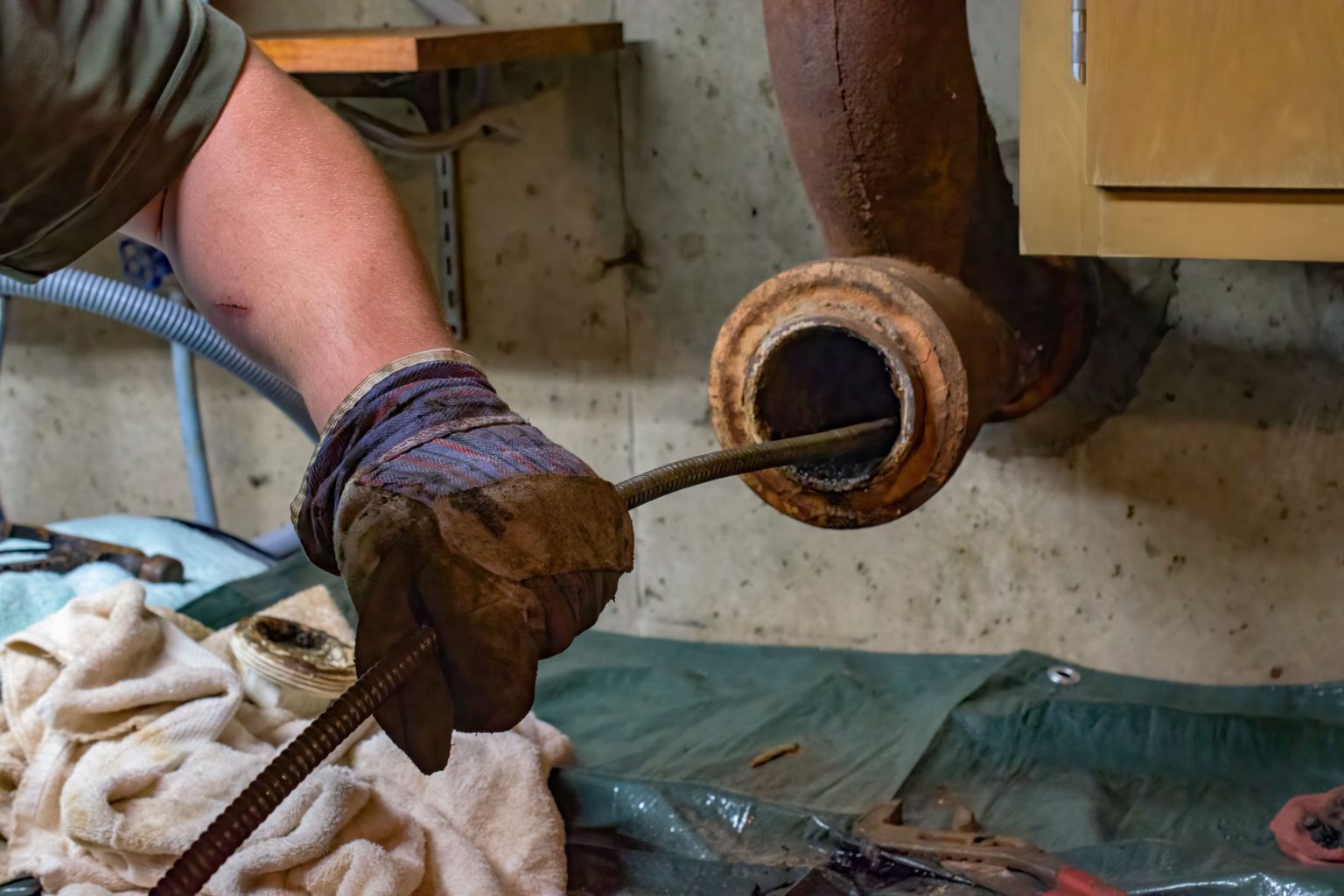
Main water lines supply fresh, highly pressurized water continuously from the meter to the property. Physical ground shifts, friction, and material age can cause structural breaches in these buried pipes. Hidden underground leaks commonly result in visible surface water and systemic low pressure.
Overview
A main water line leak occurs when the primary pipe supplying fresh, pressurized water to a property is physically breached. This main supply pipe is typically buried underground. It runs continuously from the municipal water meter, or a private well pump, directly to the main entry point of the building. Because it carries water before it reaches the internal plumbing network, it is under constant, heavy pressure. A leak allows this highly pressurized water to escape directly into the surrounding soil instead of traveling to the property. Because this pipe is entirely buried beneath the earth, structural breaches are completely hidden from view.
What This Means
The main water line carries a specific volume of water under constant physical pressure. When a structural leak develops, water naturally takes the path of least resistance and violently exits the pipe through the breach. The water no longer travels efficiently to the property’s internal fixtures.
This continuous escape creates two primary physical issues for a property. First, it results in a constant flow of wasted water that often reflects immediately as a massive spike on municipal utility meters. Second, the physical loss of volume from the main pipe significantly reduces the physical pressure of the water that does manage to reach the building.
As the highly pressurized water escapes, the surrounding soil must absorb it. Depending on the physical size of the breach, the water may eventually travel upward to the surface, creating visible puddles. Conversely, the water may travel downward or laterally toward the building’s concrete foundation, creating hydrostatic pressure against the structural walls. Conditions vary by system and property.
Common Factors Involved
Several environmental and physical factors heavily influence the structural integrity of a buried main water line.
The original physical material of the supply pipe is a major factor. Older underground lines may be constructed of galvanized steel, lead, or early plastics like polybutylene. Modern lines are typically constructed of thick copper or durable, flexible plastics like PEX or HDPE. Each distinct material degrades at a different rate and fails in a distinctly different manner.
Ground settling and varying soil conditions constantly impact the buried pipe. The earth shifts continuously due to natural moisture changes and minor seismic activity. This constant shifting places heavy physical stress on rigid pipes. Friction from sharp rocks, heavy gravel, or dense tree roots rubbing against the outer pipe wall during these ground shifts can physically wear away the material over time. Extreme ambient temperature changes in the ground, specifically deep freezing and rapid thawing cycles, also cause the surrounding earth to expand and contract violently around the pipe.
How Situations Can Differ
Underground water line breaches do not present the exact same physical symptoms in every case.
A microscopic pinhole leak caused by slow material corrosion may go completely unnoticed for very long periods. The deep soil slowly absorbs the escaping water without displaying any visible surface changes to the homeowner. Alternatively, a major structural failure, such as a completely separated joint or a crushed section of pipe, may cause immediate, massive surface flooding in the yard. It can also cause a rapid, total loss of all water pressure inside the building.
Physical access limitations drastically alter the situation. A leak occurring directly beneath a soft, grassy lawn is addressed and located differently than a leak located entirely beneath a poured concrete driveway, a masonry retaining wall, or a municipal sidewalk. Property differences, such as the total physical length of the pipe run from the street to the house, also increase or decrease the variables and potential failure points involved.
When Professional Evaluation Is Typically Needed
Unexplained and significant increases in municipal water utility usage often serve as the first reliable indicator of a hidden underground leak. Unusually green patches of grass, soft sinkholes, or physical puddles forming in the yard during dry weather are notable physical changes that require attention. A persistent, unexplained drop in overall water pressure across every fixture inside the home strongly suggests a continuous loss of volume in the main supply line.
General information cannot pinpoint the exact physical location of a structural breach on a pipe buried several feet underground. Exploratory excavation is highly complex, structurally disruptive, and heavily dependent on accurate location data. Specialized, non-invasive acoustic listening equipment and sensitive pressure testing gauges are typically utilized to identify the specific leak location precisely before any digging begins. An on-site evaluation allows the actual physical conditions to be assessed directly so the right diagnostic and routing approach can be determined. Evaluation is often required to understand actual conditions.
Key Takeaways
- Main water lines supply fresh, highly pressurized water continuously from the meter to the property.
- Physical ground shifts, friction from rocks, and material age can cause deep structural breaches.
- Hidden underground leaks commonly result in visible surface water, systemic low pressure, and abnormally high utility usage.
- The exact physical location of a buried leak cannot be determined visually without specialized detection equipment.
- Outcomes depend on real conditions.
Related Information
For general context, see: