
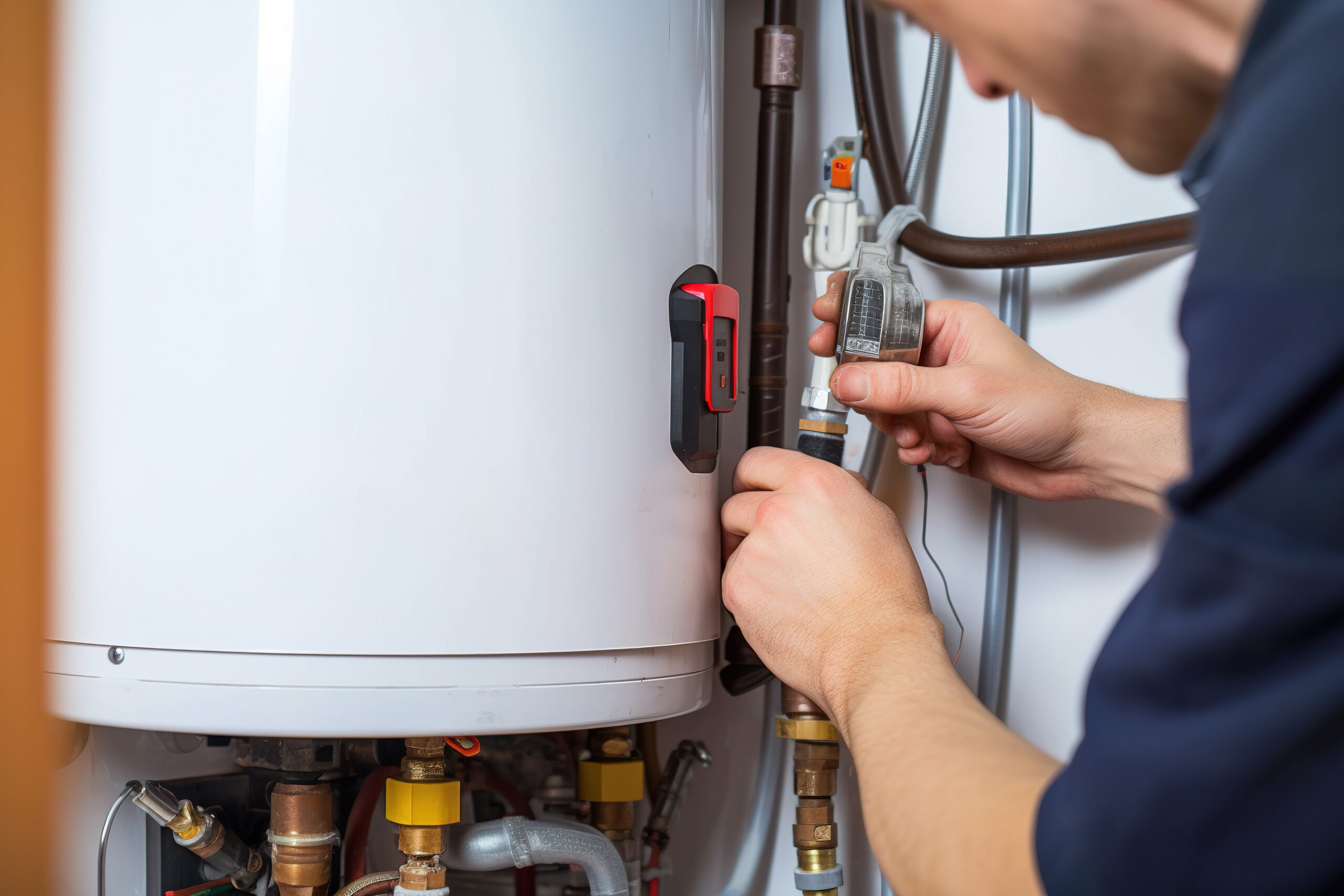
Water heaters experience constant physical wear and mineral sediment buildup over time. This continuous internal stress heavily accelerates mechanical degradation. Different tank designs and local water qualities influence the overall longevity of the unit.
Overview
Water heaters are mechanical appliances designed to heat and store water for property use. They are a standard component in nearly all residential plumbing systems. Like all mechanical devices, water heaters experience constant physical wear during daily operation. Routine observation can provide insight into their current functional condition. Understanding the basic mechanics of these units helps clarify why they require periodic attention. A water heater operates under constant internal pressure and temperature stress.
What This Means
Maintenance concepts for traditional water heaters primarily revolve around managing sediment buildup and monitoring component degradation. The physical process of heating water naturally causes dissolved minerals to separate from the liquid. These heavy minerals fall and settle at the bottom of the storage tank. Over time, this constant settlement creates a thick, solid layer of scale.
This hard scale acts as a physical barrier between the heating element or gas burner and the water itself. Because of this barrier, the unit must work harder and run longer to achieve the desired water temperature. This increased workload heavily accelerates mechanical wear on the entire appliance.
Additionally, internal components are specifically designed to degrade over time. Traditional tanks contain a sacrificial anode rod. This rod actively attracts corrosive elements present in the water to protect the steel lining of the tank. Once this rod fully depletes, the corrosive elements begin attacking the tank itself, leading to structural rust. Conditions vary by system and property.
Common Factors Involved
Several physical and environmental factors influence water heater longevity and performance.
The chemical mineral content of the local municipal or well water supply is a primary factor. Hard water contains high concentrations of calcium and magnesium. These specific minerals drastically increase the rate of internal sediment accumulation.
The physical age of the tank and its internal components also plays a significant role. Mechanical parts, such as thermostats and relief valves, degrade with continuous daily use.
The selected temperature setting of the unit heavily influences physical wear. Higher temperature settings increase the rate of mineral separation inside the tank. High temperatures also increase the internal pressure the tank must hold. The specific type of water heater installed dictates its unique mechanical vulnerabilities.
How Situations Can Differ
Water heater wear does not present the same symptoms in every case.
Properties supplied with hard water often experience rapid sediment accumulation. This requires frequent attention to maintain efficiency. Properties equipped with whole-house water softeners experience slower sediment buildup. However, softened water can cause the anode rod to deplete at a much faster rate.
Tankless water heating systems face entirely different maintenance factors than traditional storage tanks. Tankless systems heat water on demand by passing it rapidly through very narrow heat exchangers. These narrow internal passages are highly susceptible to sudden mineral scaling, which completely restricts water flow.
The physical location of the water heater also alters the situation. A unit located in an unconditioned, freezing crawlspace experiences different ambient temperature stress than a unit located in a finished, climate-controlled basement. Prior repairs or modifications to the incoming cold water lines can also change how a system operates under load.
When Professional Evaluation Is Typically Needed
A water heater typically requires structural evaluation if it consistently produces less hot water than it previously did. This symptom often points to heavy sediment displacement or a physically failing heating element. Water pooling directly around the metal base of the unit is a clear indication of a structural tank failure or a leaking pressure valve. Unusual physical noises, such as loud popping or rumbling sounds during operation, strongly suggest heavy sediment boiling at the bottom of the tank.
General information cannot determine the internal condition of a sealed pressure vessel. Attempting to drain a heavily sedimented tank without proper equipment can result in a permanently clogged drain valve. Professional assessment is often utilized to safely test internal pressure, inspect flue venting safety, and measure component electrical resistance. Evaluation is often required to understand actual conditions.
Key Takeaways
- Water heaters experience continuous internal mechanical wear and mineral sediment buildup over time.
- Different tank designs and local water qualities heavily influence system longevity.
- Specific internal components, like anode rods, are designed to degrade to protect the main tank.
- The internal condition of a sealed tank is rarely visible from the exterior.
- Outcomes depend on real conditions.
Related Information
For general context, see: