
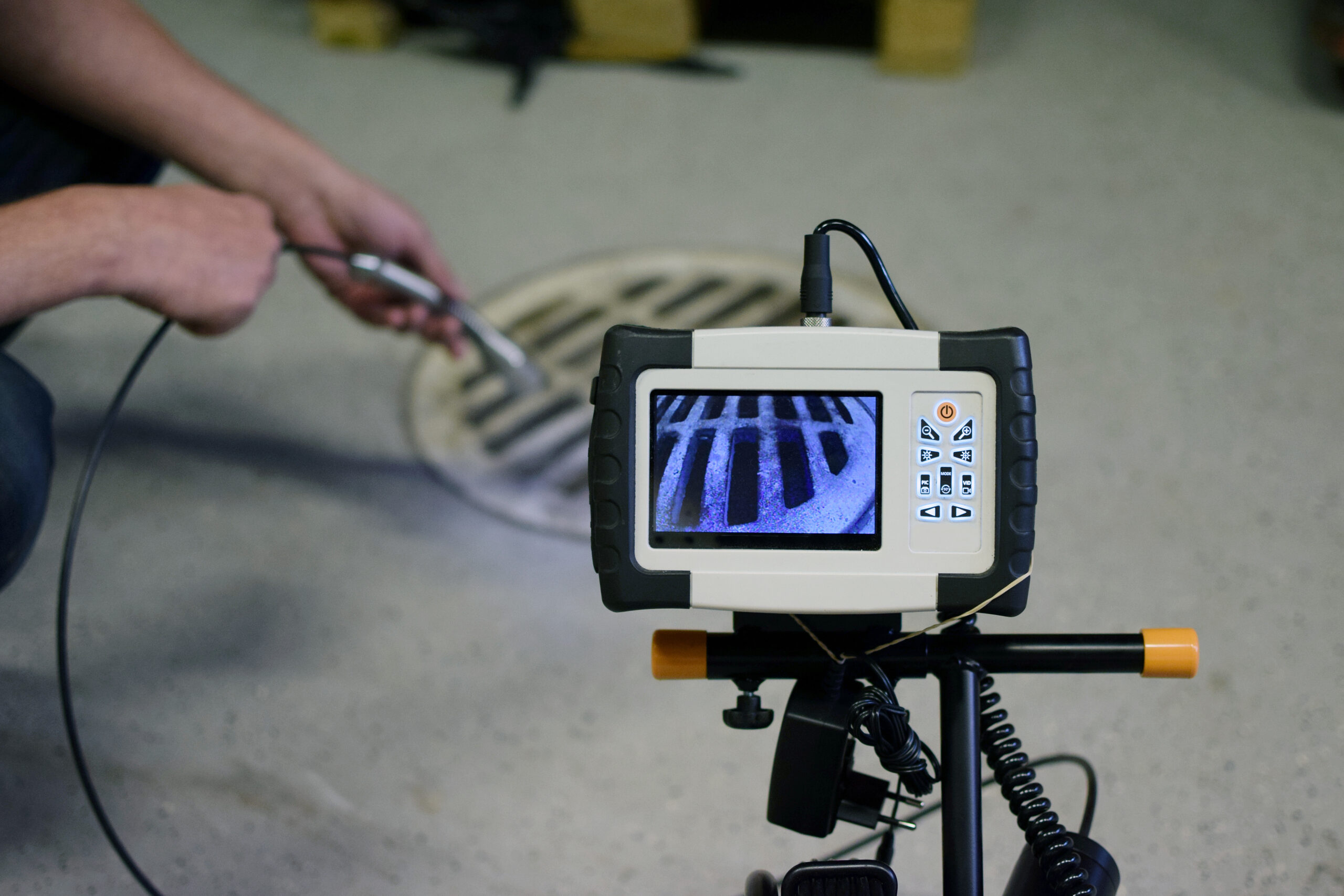
A plumbing camera inspection is a diagnostic process used to view the interior of underground pipes. It allows the structural condition of a buried line to be observed directly without exploratory digging. This visual data helps locate roots, cracks, and dense physical blockages.
Overview
A plumbing camera inspection is a diagnostic process used to view the interior of underground drains and main sewer lines. It involves inserting a specialized, waterproof camera directly into a plumbing pipe. The camera is attached to a flexible, illuminated push cable. This equipment provides a direct visual assessment of the pipe’s condition from the inside. It is a standard diagnostic tool in modern residential plumbing. Underground pipes are entirely hidden from view beneath soil or concrete, making this tool essential for understanding actual conditions without immediate excavation.
What This Means
Historically, identifying a physical problem with a buried pipe required exploratory digging. A camera inspection removes this requirement. The waterproof camera transmits high-resolution, real-time video to a monitor operated by a technician. This allows the interior condition of the pipe to be observed directly as the camera travels along the path of the plumbing line.
The process records the physical layout and the structural integrity of the pipe walls. It helps identify structural issues, separated joints, dense blockages, or invasive tree roots within the line. The process provides concrete visual data about the physical state of the plumbing system. The exact condition of a buried pipe cannot be verified without this direct visual access. Conditions vary by system and property.
Common Factors Involved
Several physical factors influence the camera inspection process.
The size and physical accessibility of the sewer cleanout are primary factors. A cleanout is a capped access point designed specifically for maintaining the main sewer line. A large, accessible cleanout located on the exterior of the building allows the camera to enter the pipe easily.
The overall length of the pipe also influences the inspection. Push cables have specific length limitations. Very long pipe runs may require multiple access points to view the entire system from end to end.
The amount of standing water or physical debris present inside the pipe heavily impacts the process. Cameras require a relatively clear view to observe the pipe walls accurately. The internal material of the plumbing line, such as dark cast iron or white PVC, can also influence the reflection of the camera’s light. This alters the visual feedback on the monitor.
How Situations Can Differ
Camera inspections do not yield the exact same clarity or results in every case. A pipe that is completely filled with dark, stagnant water or heavy sludge will obscure the camera’s lens entirely. In these specific cases, the pipe may need to be mechanically cleared of standing water before a visual inspection is even possible.
Property differences strongly affect access. Some older properties lack dedicated exterior cleanouts. This structural absence may require the camera to be inserted through a roof vent or by temporarily removing a toilet from the floor.
System configuration plays a significant role in navigability. A pipe with numerous sharp bends, tight turns, or severe drops can physically restrict the camera’s ability to navigate the entire length of the line. Prior modifications to the plumbing system may also introduce unexpected transitions in pipe size that halt the physical forward progress of the camera head.
When Professional Evaluation Is Typically Needed
Visual confirmation is typically needed when drains back up repeatedly after being cleared by standard methods. It is also utilized when a property experiences unexplained slow drainage or recurring clogs in the lowest fixtures. Homebuyers frequently seek camera inspections to understand the true structural condition of older sewer lines before purchasing a property.
General information cannot confirm the structural integrity of a pipe buried beneath several feet of earth or concrete. Specialized physical equipment and training are strictly necessary to safely navigate the camera cable and accurately interpret the visual findings on the monitor. An on-site evaluation allows the interior of the pipe to be mapped directly so the right diagnostic approach can be determined. Evaluation is often required to understand actual conditions.
Key Takeaways
- Camera inspections provide a direct visual view inside underground plumbing pipes.
- The diagnostic process helps locate invasive roots, structural cracks, blockages, and pipe failures.
- System access and the presence of standing water heavily affect the clarity of the inspection.
- Exploratory digging is often avoided by utilizing this internal visual data.
- Outcomes depend on real conditions.
Related Information
For general context, see: