
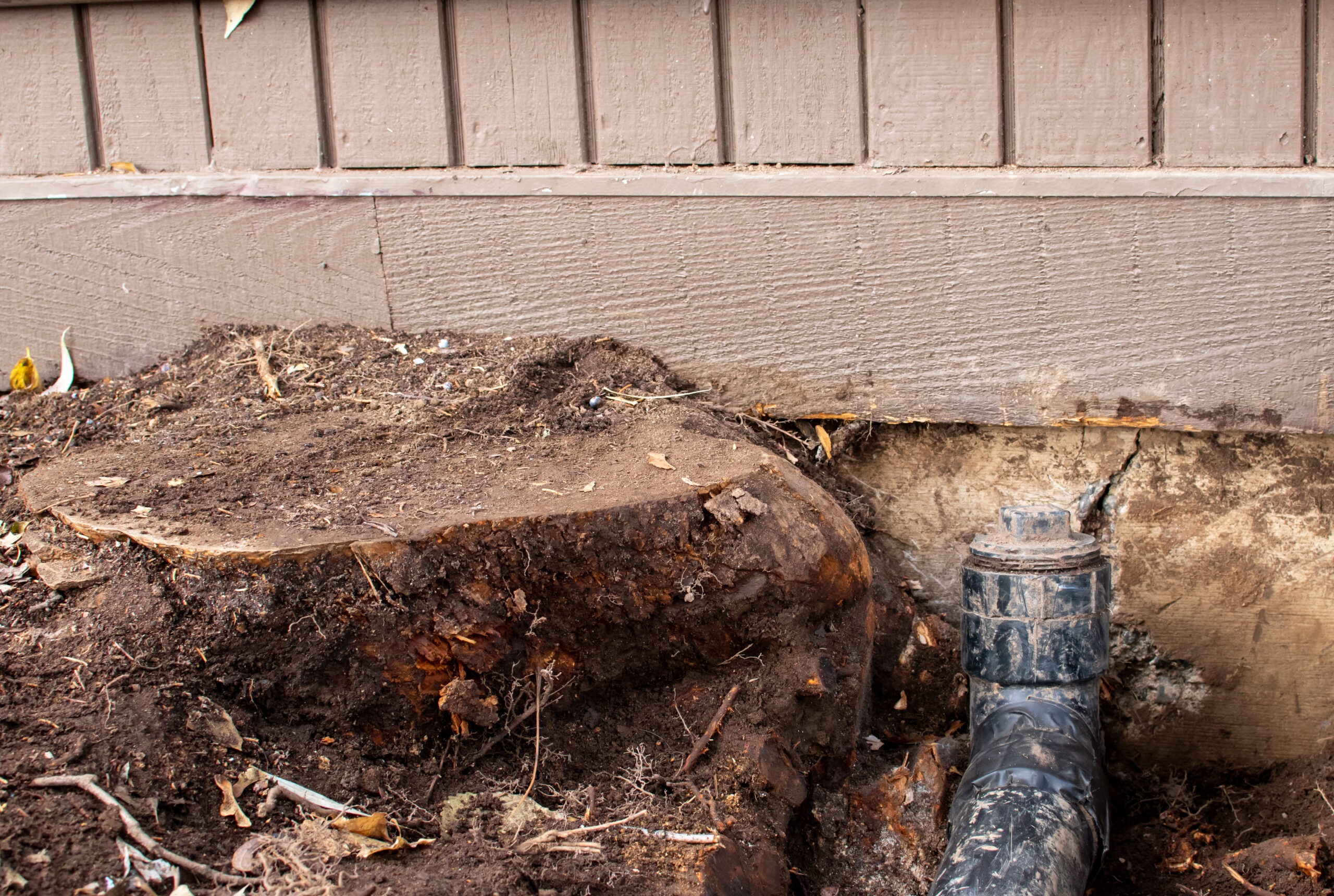
A sewer line is the main exit pipe for all wastewater leaving a building. These gravity-fed pipes can deteriorate due to material age, physical ground shifts, or invasive tree roots. A structural disruption in this buried line prevents wastewater from safely exiting the property.
Overview
A sewer line is the primary exit route for all wastewater leaving a property. It is a critical component of residential plumbing infrastructure. Every drain in a building, from kitchen sinks to basement floor drains, connects to this single main pipe. The sewer line carries this collected wastewater away from the building and directs it to the municipal sewer system or a private septic tank. These pipes operate almost entirely on gravity. Over time, the physical materials that make up these lines can deteriorate, separate, or become permanently blocked. A disruption in the main sewer line affects how effectively wastewater exits the entire building, not just a single fixture.
What This Means
A sewer line failure means the main pipe can no longer move water away from the property without obstruction. Sewer lines are installed underground with a precise downward slope. This constant slope allows gravity to pull the heavy wastewater away from the foundation. A structural failure or a dense blockage disrupts this natural, forward flow.
This disruption can present as a partial restriction or a total blockage. A partial restriction simply slows the draining of fixtures inside the property as water struggles to squeeze past the obstacle. A total disruption forces wastewater to stop moving entirely. Because the pipe operates on a continuous slope, when water cannot flow forward, it fills the pipe and eventually moves backward. This backward movement results in raw wastewater returning into the building, typically emerging from the lowest drains in the house, such as a basement shower or a floor drain. The pipe itself may be structurally cracked, physically crushed by the weight of the earth, or heavily filled with foreign material. Conditions vary by system and property.
Common Factors Involved
Several physical and environmental factors influence sewer line integrity over time.
The age and material of the pipe are primary structural factors. Pipes installed several decades ago naturally degrade as the materials react to continuous moisture and earth exposure.
Ground shifting is a constant environmental factor. The earth surrounding the buried pipe settles and shifts over time due to natural moisture changes. Seasonal freezing and thawing cycles also cause the ground to expand and contract. This constant movement exerts heavy physical pressure on the rigid buried pipe, often causing it to bend or snap.
Tree root intrusion frequently destroys older sewer lines. Large trees naturally seek out constant sources of moisture and nutrients in the soil. Microscopic cracks or loose, aging joints in a sewer pipe release tiny amounts of moisture into the surrounding earth. Tree roots grow aggressively toward this moisture. The fine roots can infiltrate the pipe through the smallest gaps. Once inside, they expand into dense physical masses that catch debris and eventually block the flow of water completely.
The accumulation of non-flushable materials also impacts the internal line. Heavy cooking grease, fats, and thick paper products can adhere to the rough inner walls of older pipes. This gradually narrows the passage for wastewater until a physical dam forms.
How Situations Can Differ
Sewer line issues vary heavily based on geographic location and the specific building materials used during construction.
Properties built in different eras utilize entirely different piping materials, and each material fails in a distinct way. Older properties often have clay or cast-iron pipes. Clay pipes are highly brittle; their short sections frequently shift out of alignment, causing the joints to separate completely. Cast-iron pipes slowly rust from the inside out. Over decades, the constant flow of water channels along the bottom of the cast-iron pipe, eventually wearing a hole entirely through the base. Newer properties typically have continuous PVC or plastic pipes. While PVC is flexible and heavily resists root intrusion, it can sag or “belly” if the ground beneath it shifts, creating physical pools of standing water that catch debris.
Soil conditions change the physical environment around the pipe. Heavy clay soil shifts differently than loose, sandy soil. The presence of large, mature trees on or near the property drastically increases the likelihood of root intrusion. The physical depth of the pipe also alters the situation. Some sewer lines are buried mere feet below the surface, making them vulnerable to surface weight, while others are buried quite deep. Prior repairs or modifications to the line can also create varied conditions within a single, continuous pipe run.
When Professional Evaluation Is Typically Needed
Sewer lines are buried underground, meaning the exact structural cause of a backup is rarely visible from the surface. Attempting to diagnose a main line issue by observing the fixtures inside the house often leads to incorrect assumptions.
Wastewater backing up into a property clearly indicates the system is no longer functioning safely. Slow drains across the entire house, or gurgling sounds from toilets when other fixtures are used, also suggest a heavy blockage in the main line. Unpleasant odors originating from basement drains or pooling water in the yard can indicate a physical breach in the pipe itself.
General information cannot diagnose the specific cause or exact location of a deep sewer backup. Specialized physical equipment, such as heavy-duty drain cables and high-resolution inspection cameras, is strictly necessary to locate the disruption. An on-site evaluation allows the interior of the pipe to be viewed directly so the structural condition can be assessed without immediate excavation. Evaluation is often required to understand actual conditions and map the specific path of the blockage.
Key Takeaways
- Sewer lines are gravity-fed pipes that transport all wastewater away from a building.
- Failures occur due to material age, invasive tree roots, or physical ground shifts.
- Different pipe materials, such as clay or cast iron, degrade in distinctly different ways.
- The root cause is rarely visible without specialized internal inspection.
- Outcomes depend on real conditions.
Related Information
For general context, see: