
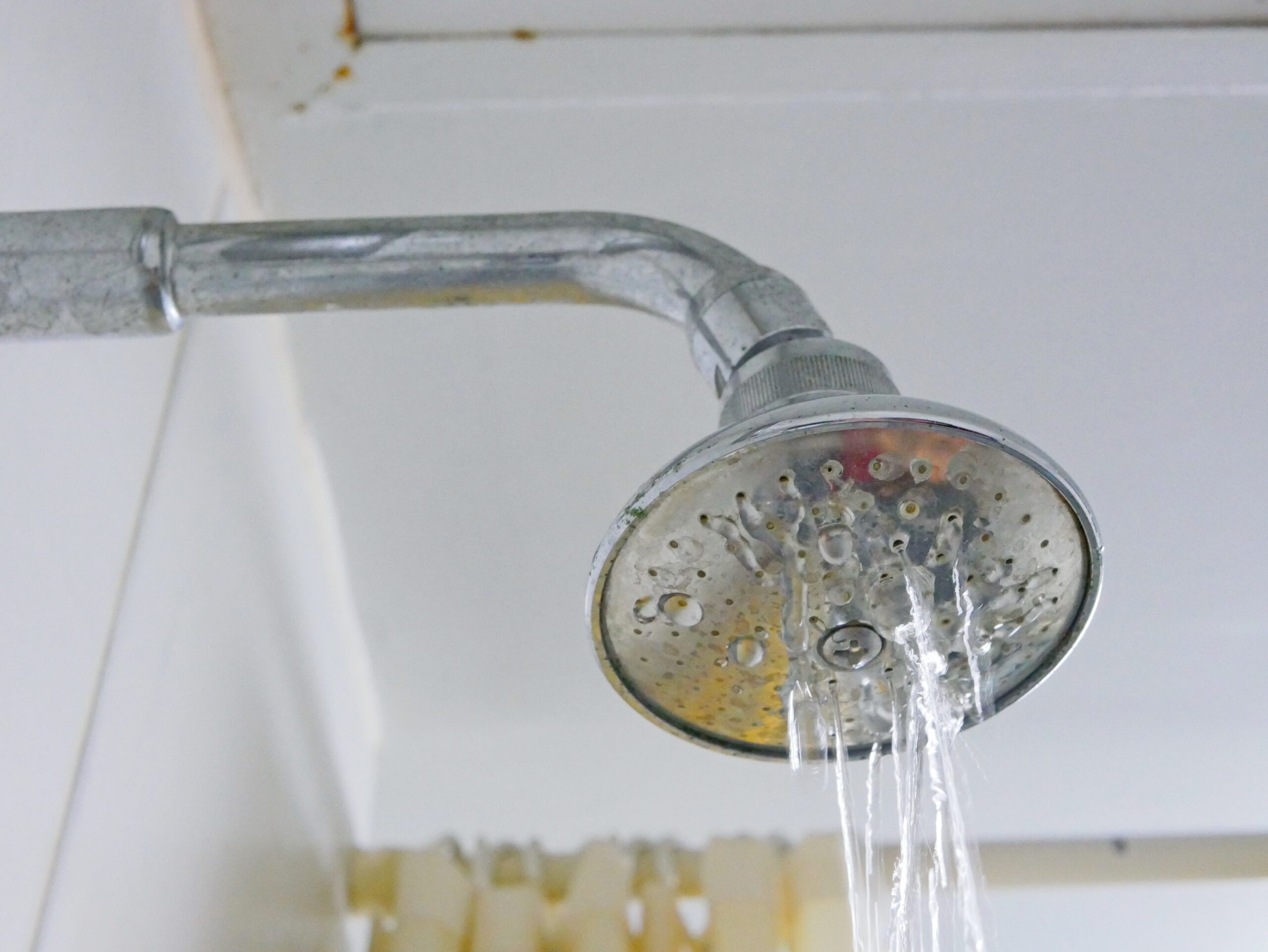
Low water pressure is a noticeable drop in the physical force of water at a fixture. This change often indicates a restriction or a structural leak somewhere in the closed plumbing system. The underlying cause is rarely visible without physical inspection.
Overview
Low water pressure is a noticeable drop in the force of water flowing from a plumbing fixture. It is a common plumbing condition in residential properties. Water enters a building under pressure from a municipal supply or a private well pump. This initial pressure is required to push the water through the internal pipe network of the building. When this physical force drops, fixtures like showerheads, sink faucets, and hose bibbs produce a weak stream. This change can affect a single fixture. It can also affect an entire building simultaneously. A drop in pressure changes how a plumbing system functions and often indicates a developing structural issue somewhere within the water supply line.
What This Means
Water relies on constant physical force to travel from the municipal meter to individual fixtures. This force dictates how fast and how hard water travels through the plumbing system. The municipal water utility establishes a baseline pressure before water enters the property. Internal pipes are designed to maintain this pressure as water moves toward its destination.
Friction naturally occurs as water travels along the inner walls of these pipes. A physical narrowing of the internal pipe diameter increases this friction. Increased friction reduces the pressure at the output. The plumbing system is a closed network of pipes hidden behind walls, under floors, and underground. The visible fixture is simply the end of the line.
When pressure is low at the output, it means something is restricting the water or allowing it to escape before it reaches its destination. Because the pipes are hidden, the exact location of the restriction is rarely obvious. The restriction can be located immediately behind the fixture, or it can be buried underground near the main meter. Water must also travel further against gravity to reach upper-level floors. This means upper-level fixtures rely heavily on sustained pressure from the lower levels. Conditions vary by system and property.
Common Factors Involved
Several physical factors influence water pressure within a residential building.
Mineral scale is a frequent factor. Water contains natural dissolved minerals, such as calcium and magnesium. Over time, these dissolved minerals settle inside the pipes. This settlement creates a hard, stone-like layer of scale on the inner walls. The scale physically narrows the inside diameter of the pipe. A narrower pipe cannot carry the same volume of water, which inherently restricts the flow.
Debris is another common factor. Small particles of rust, sediment, or deteriorating rubber washers can break loose inside older pipes. This debris travels with the water and eventually clogs the small screens, called aerators, located at the tip of faucets. When these screens clog with debris, they severely limit the stream of water.
Hidden water line leaks also cause significant pressure drops. If the main underground pipe supplying the building develops a crack or a loose joint, pressurized water escapes directly into the surrounding soil. This leaves less water and less physical pressure to reach the building.
Shut-off valves also play a role in pressure changes. Valves control the flow of water to specific areas or the entire building. A valve that is partially closed restricts flow. This restricts the volume of water and alters the pressure at the fixture.
Municipal water supply changes occur occasionally. The local utility may perform maintenance on water mains or flush fire hydrants in the area. This temporary activity can heavily reduce pressure to surrounding neighborhoods for short periods.
How Situations Can Differ
A pressure issue presents differently depending on the specific property.
If water pressure drops at a single bathroom sink, the issue is typically local. It often points to a clogged aerator or a physical blockage in the specific supply line located directly beneath that sink. If water pressure drops suddenly across every fixture in the house, the issue is systemic. This often points to a failing pressure-reducing valve on the main water line or an active, hidden leak underground.
Properties built in different eras utilize different piping materials. Older properties often contain galvanized steel pipes. Galvanized pipes are highly susceptible to internal mineral scaling and rust accumulation over decades. Newer homes typically use copper or plastic piping. These modern materials resist internal scaling differently. Because of this material difference, a pressure drop in a newer home often points to a different mechanical factor than a drop in an older home.
Access limitations and the structural layout of the building change how easily the source is located. A home built on a concrete slab presents different diagnostic challenges than a home built over an unfinished basement.
When Professional Evaluation Is Typically Needed
Plumbing operates almost entirely out of sight. Attempting to diagnose a pressure drop without seeing the internal condition of the pipes often leads to incorrect assumptions. General information cannot pinpoint the exact location of a restriction on a buried pipe.
A sudden or severe drop in pressure requires physical inspection. A persistent drop in pressure can sometimes indicate an active, hidden leak that is actively saturating surrounding soil or structural components. An on-site evaluation allows the actual mechanical valves to be tested and the main water line to be checked for hidden leaks. Plumbing work is reviewed on site so the physical issue can be seen directly and the right diagnostic approach can be determined. Professional equipment is often used to test baseline pressure at different points in the system to isolate the blockage. Evaluation is often required to understand actual conditions.
Key Takeaways
- Low water pressure indicates a physical restriction or a leak in the supply line.
- The condition can be isolated to a single fixture or affect the entire property.
- The underlying cause is rarely visible without physical inspection.
- Older piping materials typically experience different pressure issues than newer materials.
- Outcomes depend on real conditions.
Related Information
For general context, see: